Financial Abuse Recovery: A Guide to Rebuilding Your Finances After a Narcissistic Relationship
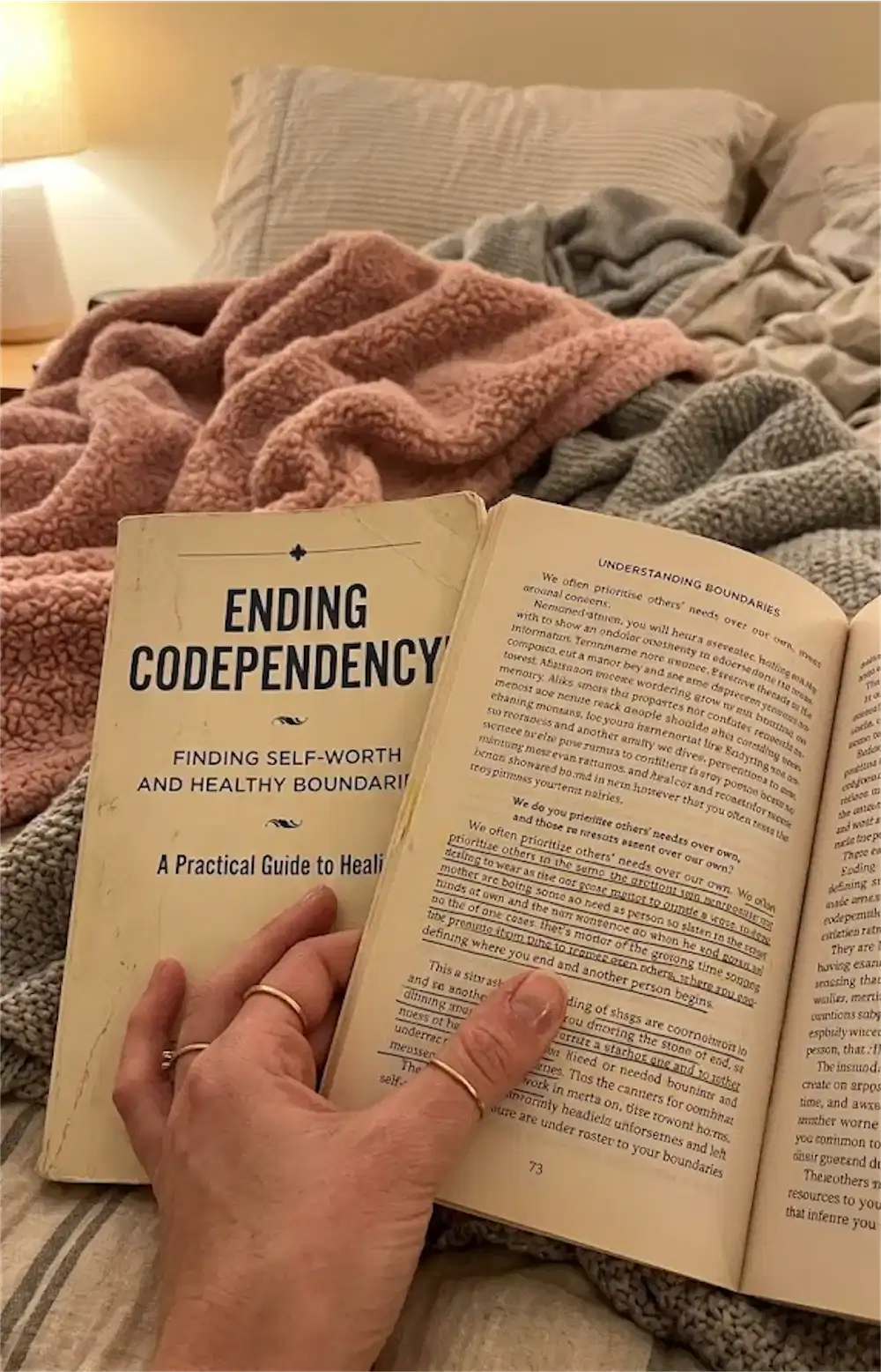
Financial abuse recovery and rebuilding your finances after a narcissistic relationship is a process that requires both practical steps and deep emotional healing. When you escape a toxic partner who used money to control you, you are left with more than just a depleted bank account. You are dealing with the invisible trauma of having your survival resources used as weapons against you. If you are struggling with this, the Codependency Recovery Plan is an essential resource to help you rebuild your identity and establish strong boundaries around your life and resources.
For twelve years, I stayed with a partner who displayed severe Narcissistic Personality Disorder (NPD) and Borderline Personality Disorder (BPD) traits. I was completely isolated from my friends, without any hobbies, and genuinely believed my life was doomed to be miserable. I lived in constant fear of checking my bank statement because my ex controlled every penny, using gaslighting to convince me that I was simply bad with money. It was only through deep professional therapy, learning about trauma bonds, and recognizing my own codependent patterns that I finally broke free and returned to my cheerful, grounded self.
If you have recently left a similar situation, you might feel like you are standing in the wreckage of your life. Let’s look at how you can navigate this transition. Are you ready to take back your power and learn how to manage your resources on your own terms?
What Is Narcissistic Financial Abuse?
Narcissistic financial abuse is a systematic tactic where an abusive partner controls, steals, or manipulates financial resources to limit your independence and keep you trapped. It involves concealing bank accounts, ruining your credit score, or restricting your access to money to maintain absolute power in the relationship.

In a toxic dynamic, money is never just money. It is a leash. My ex-partner would love-bomb me with lavish gifts, only to later use those exact gestures to guilt me into silence. If I questioned a bizarre expense or asked to see our joint credit card statements, I was met with explosive rage or weeks of the silent treatment. This is classic financial gaslighting, where they make you feel crazy or ungrateful for wanting basic transparency.
According to a detailed Psychology Today analysis on financial abuse, abusers use these tactics specifically to prevent the other person from leaving. When you believe you cannot survive financially on your own, the emotional cage is locked tight. You ignore the red flags because your brain is focused on literal survival. The constant stress can even manifest physically, showing up as real toxic relationship health symptoms like chronic fatigue, stomach issues, and severe insomnia.
Step-by-Step Recovery After Economic Exploitation
The first step in rebuilding is gaining absolute clarity on where you stand. You cannot fix a problem you cannot see. When I first got out, my credit score was a complete disaster because my ex had run up accounts in my name without my knowledge. I was terrified to even look at the numbers, but ignoring the damage only prolongs your bondage.
To start your financial recovery, follow these immediate, practical steps:
- Pull your credit reports immediately to check for any unauthorized accounts or hidden debts.
- Freeze your credit to prevent your toxic ex-partner from opening new lines of credit in your name.
- Open a secure bank account at a completely different financial institution than the one you used with your ex.
- Change all passwords to your personal emails, banking portals, and investment accounts.
If you are still in the process of planning your departure, having a secure, secret narcissist financial escape plan is crucial. Small steps, like saving cash back from grocery trips or opening a PO Box for private mail, can make a massive difference. Remember, you do not owe an abusive partner honesty about your plans to protect your basic human safety.
Now, let’s look at the mid-term and long-term steps. If you have to rebuild your life entirely from scratch, it is normal to feel overwhelmed. But taking back your agency is one of the most rewarding things you will ever experience. It is the foundation of how you rebuild self-worth after a discard or a painful breakup.
Reclaiming your life after years of financial and psychological manipulation is a journey that goes beyond your bank account. You need to untangle the deep-seated emotional patterns of people-pleasing and trauma-bonding that kept you vulnerable to exploitation. To help you break these cycles and build a secure, independent life, I highly recommend using this comprehensive step-by-step roadmap designed specifically for survivors:

Reclaiming Your Financial Sovereignty
When you start to rebuild, you might notice intense feelings of anxiety whenever you spend money on yourself. This is a very common trauma response. For years, every purchase you made was likely scrutinized, criticized, or used as leverage to make you feel guilty. Healing this relationship with money takes time and self-compassion.
I remember the first time I bought a simple houseplant for my empty apartment after leaving my 12-year toxic relationship. I stood in the store for thirty minutes, stomach in knots, waiting for an imaginary lecture that would never come. It was a revelation when I realized that no one was going to yell at me for spending ten dollars on my own happiness. Have you felt that same lingering dread over basic daily decisions?
To heal your financial trauma, you must separate your survival needs from the abuser’s voices. Reclaiming your financial sovereignty means realizing that money is simply a neutral tool, not an instrument of punishment. It belongs to you, and you are fully capable of managing it wisely.
Healing the Scarcity Mindset
Many survivors face intense anxiety about never having enough. When an ex-partner controls resources, they intentionally create an environment of artificial scarcity. They want you to believe that without them, you will end up destitute on the street.
This constant state of stress programs your nervous system to stay in survival mode. Even when you are physically safe and have a stable income, your brain might still treat money as a threat. Overcoming this mindset requires shifting from defensive panic to structured, peaceful planning.
Developing Healthy Financial Habits After Abuse
Learning how to budget in a safe space is incredibly healing. You are no longer defending yourself against someone else’s reckless spending or secret debts. You get to decide exactly where every dollar goes, which is an incredibly grounding experience.
Start with simple, manageable habits that do not trigger your nervous system:
- Create a simple, stress-free budget that focuses on your basic needs first, then saving a small cushion for emergencies.
- Automate your savings so you do not have to think about manually moving money around every month.
- Celebrate small wins, like paying off a small debt or successfully keeping to your budget for a full month.
As you practice these steps, you will start to see that you are not the incompetent person your ex claimed you were. That was just a story they told to keep you dependent. Now, you are writing a completely new story, built on truth, stability, and genuine self-reliance.
Healing your bank account goes hand in hand with healing your mind. By focusing on your daily routines, setting solid boundaries, and using tools like the Codependency Recovery Plan, you will gradually restore both your financial independence and your inner peace.

Meet Your Guide
Helen Brooks
After surviving a 12-year NPD/BPD relationship, I dedicated over a decade to studying trauma bonding and nervous system recovery. My mission is to help you break free from the fog and reclaim your authentic self.
Ready to break the trauma bond and reclaim your life?