Grandparental Alienation: When a Narcissistic Parent Uses Your Children as Weapons
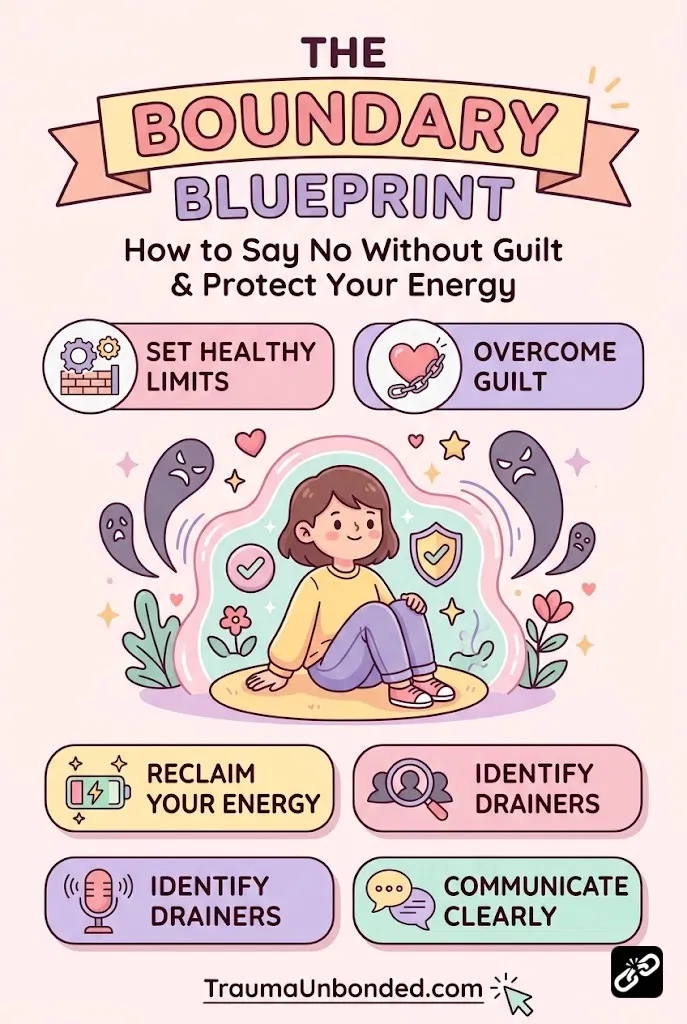
If you are dealing with grandparental alienation where a narcissistic parent uses your children as weapons, you know the deep ache of watching a family member turn your own household into a battlefield. It is a quiet, agonizing form of manipulation that leaves you feeling isolated, angry, and deeply protective of your little ones. To navigate this safely, you must recognize the subtle games being played and build a solid defense system, which is where The Boundary Blueprint can guide you through setting firm, guilt-free limits.
During my own 12-year toxic relationship with an ex who had severe narcissistic and borderline traits, I learned firsthand how toxic people use family members as pawns. After that long ordeal finally ended, I was completely devastated, cut off from my old friends, and felt like a shell of myself. But through therapy, learning about codependency, and breaking my trauma bonds, I found my way back to my original cheerful, optimistic, and grounded self, which is why I want to help you protect your own peace.
Why do these grandparents target grandchildren? For a narcissist, children are not separate people with their own thoughts and feelings. They are sources of attention, validation, and control.
What is Grandparental Alienation in Narcissistic Families?
Grandparental alienation occurs when a narcissistic parent actively undermines, manipulative-ly bypasses, or sabotages your relationship with your children to maintain control, seek validation, or punish you for establishing personal boundaries.
Understanding these subtle dynamics is key to recognizing that you are not crazy, and that your parent’s actions are part of a predictable pattern of behavior.
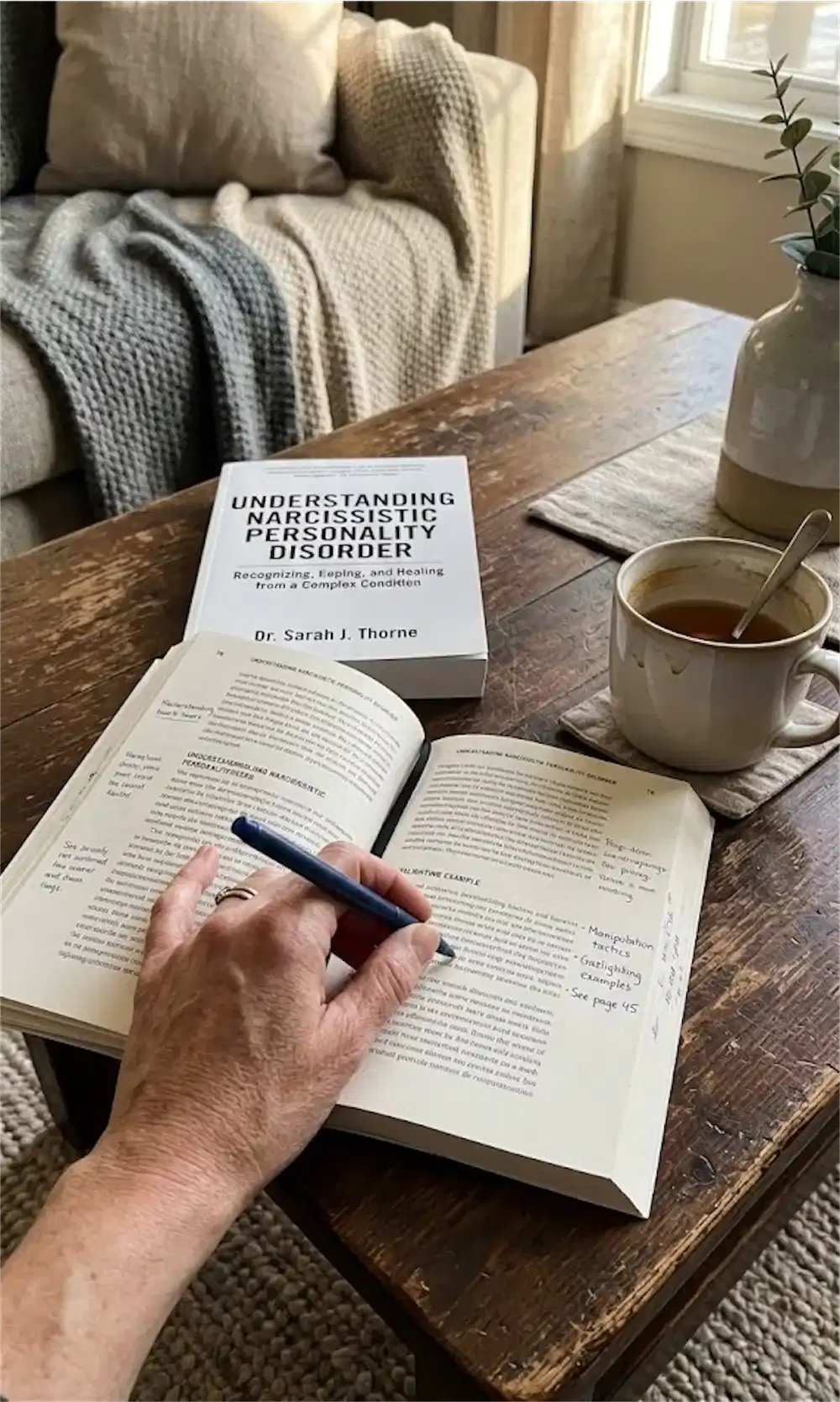
This dynamic goes beyond a simple generation gap or differing views on parenting styles. According to research published on Psychology Today, toxic family members use specific tactics like brainwashing, controlling access, and emotional manipulation to damage the bond between parents and children. To protect your children from this toxic cycle, you need clear strategies on toxic grandparent boundaries kids need to thrive.
Have you noticed your parent making passive-aggressive comments about you in front of your kids? Phrases like “Mom is just too busy for you, but Grandma is always here” are not innocent. They are designed to sow seeds of doubt in your child’s mind, slowly eroding their trust in your leadership.
Identifying the Red Flags of Grandparental Alienation
How do you know if your parent is crossing the line from standard, overbearing grandparenting into actual alienation? The difference lies in the intent. A well-meaning grandparent might occasionally spoil your kids, but they will respect your ultimate authority.
A narcissistic grandparent, however, wants to undermine you because they see your parenting rules as a personal attack on their ego. They cannot stand not being the center of attention in every single room.
Watch out for constant whispers when you walk out of the room. Notice if your kids suddenly start questioning your rules using words that sound exactly like your mother or father. These subtle, quiet shifts in your child’s behavior are often the first signs that a toxic relative is planting doubts behind your back.
How a Narcissistic Parent Weaponizes Your Children
A toxic grandparent does not play by normal rules of respect or family harmony. They operate through covert tactics that leave you constantly cleaning up their emotional messes. To protect your home, you must recognize these specific patterns of behavior:
- The Fun-Zone Strategy: They ignore your household rules, bedtimes, and dietary limits to present themselves as the “better” parent. They want your kids to resent your boundaries.
- Triangulation: They ask your children invasive questions about your marriage, your finances, or your personal life. Your children are used as spies to feed the grandparent’s need for information.
- Golden Child and Scapegoat Roles: If you have multiple kids, the grandparent may play favorites. They will praise one child while ignoring or criticizing another, creating rivalry and tension inside your own house.
- Playing the Victim: If you cancel a visit or say no to a request, they will cry to your children, saying “Mommy won’t let me see you” to make your kids feel guilty.
In my past relationship, I saw how painful it is to watch someone you love get manipulated by a master of guilt. It makes you feel incredibly angry, but reacting with anger often plays right into their hands. They will use your frustration as proof to your children that you are unstable or mean.
If you are tired of walking on eggshells and watching your children get caught in this emotional crossfire, you need a step-by-step system to reclaim your power. You can learn exactly how to block their manipulation, shut down the guilt trips, and protect your home by utilizing our specialized guide.
Setting Firm Boundaries with a Toxic Grandparent
When you decide to stop the cycle, you must accept that the narcissistic parent will not change. They will likely throw a massive tantrum, accuse you of being cruel, and play the victim to anyone who will listen. Your job is not to manage their feelings, but to keep your children safe and secure.
To stop the manipulation, you must put down clear, unbending rules. Creating narcissistic parent family boundaries is your shield. This means limiting visits to public places, refusing to allow unsupervised time, and keeping communication strictly focused on scheduling rather than personal life.
If they refuse to respect these limits, you might have to consider more serious choices. Sometimes, the only way to heal and protect your kids is to follow a scapegoat no contact guide to cut off the toxicity entirely. It feels incredibly heavy at first, but your children deserve a peaceful, stable parent, not someone constantly reacting to old childhood wounds.
How to Talk to Your Kids About a Narcissistic Grandparent
One of the hardest parts of this journey is explaining the situation to your kids without sinking to the narcissist’s level. You do not want to trash-talk your parents, as this only confuses your children and teaches them bad habits. Instead, use simple, age-appropriate language that focuses on behavior, not character attacks.
If your child says, “Grandma says you do not want us to have fun,” you can say, “Grandma loves you, but in our house, we have rules to keep you healthy and safe. It is my job to make sure you get enough sleep, even if others do not understand.” This validates their feelings while keeping your authority intact.
Keep your conversations grounded, neutral, and reassuring. Let your kids know that they do not have to carry adult worries or take sides in family disagreements. Your calm presence is the ultimate antidote to the chaos the toxic grandparent is trying to create.
Reclaiming your home from this constant stress takes time, patience, and a lot of self-care. It starts with recognizing that you have the right to decide who has access to your kids. By taking charge and applying the step-by-step strategies in The Boundary Blueprint, you can protect your children, heal your own heart, and build a peaceful future.

Meet Your Guide
Helen Brooks
After surviving a 12-year NPD/BPD relationship, I dedicated over a decade to studying trauma bonding and nervous system recovery. My mission is to help you break free from the fog and reclaim your authentic self.
Ready to break the trauma bond and reclaim your life?