The Mammalian Dive Reflex: How Cold Water Face Dips Stop Panic Attacks Instantly
The mammalian diving reflex is one of the most powerful, immediate tools you can use to stop a panic attack when your nervous system is completely overwhelmed. When you are recovering from a toxic relationship, these sudden waves of terror can make you feel entirely helpless. Fortunately, using a simple cold water face dip can trigger this natural bodily reaction to bring you back to safety.
During my twelve years with a partner who showed both narcissistic and borderline personality traits, my body lived in a state of chronic high alert. I tried everything to manage the overwhelming physical anxiety, but traditional coping methods often failed when my chest tightened and my heart began to pound. It was only when I discovered structured somatic tools, like the ones in this somatic trauma reset guide, that I finally learned how to calm my body down. The trauma of emotional abuse is not just a mental issue; it registers as a physical threat, leaving your heart racing and your breathing shallow.
By using the body’s natural pathways, you can stop the physical spiral of panic in less than thirty seconds. Let us look at how this biological trigger works and why it is so helpful for trauma survivors.
How Does the Mammalian Diving Reflex Stop a Panic Attack Instantly?
The mammalian diving reflex is an involuntary physiological response triggered by cold water touching the face, which instantly slows the heart rate and shifts the nervous system from a panicked fight-or-flight state into a calm, parasympathetic state. By submerging your face in cold water while holding your breath, you signal to your brain that you are underwater, forcing your heart rate to drop and terminating the panic cycle immediately.
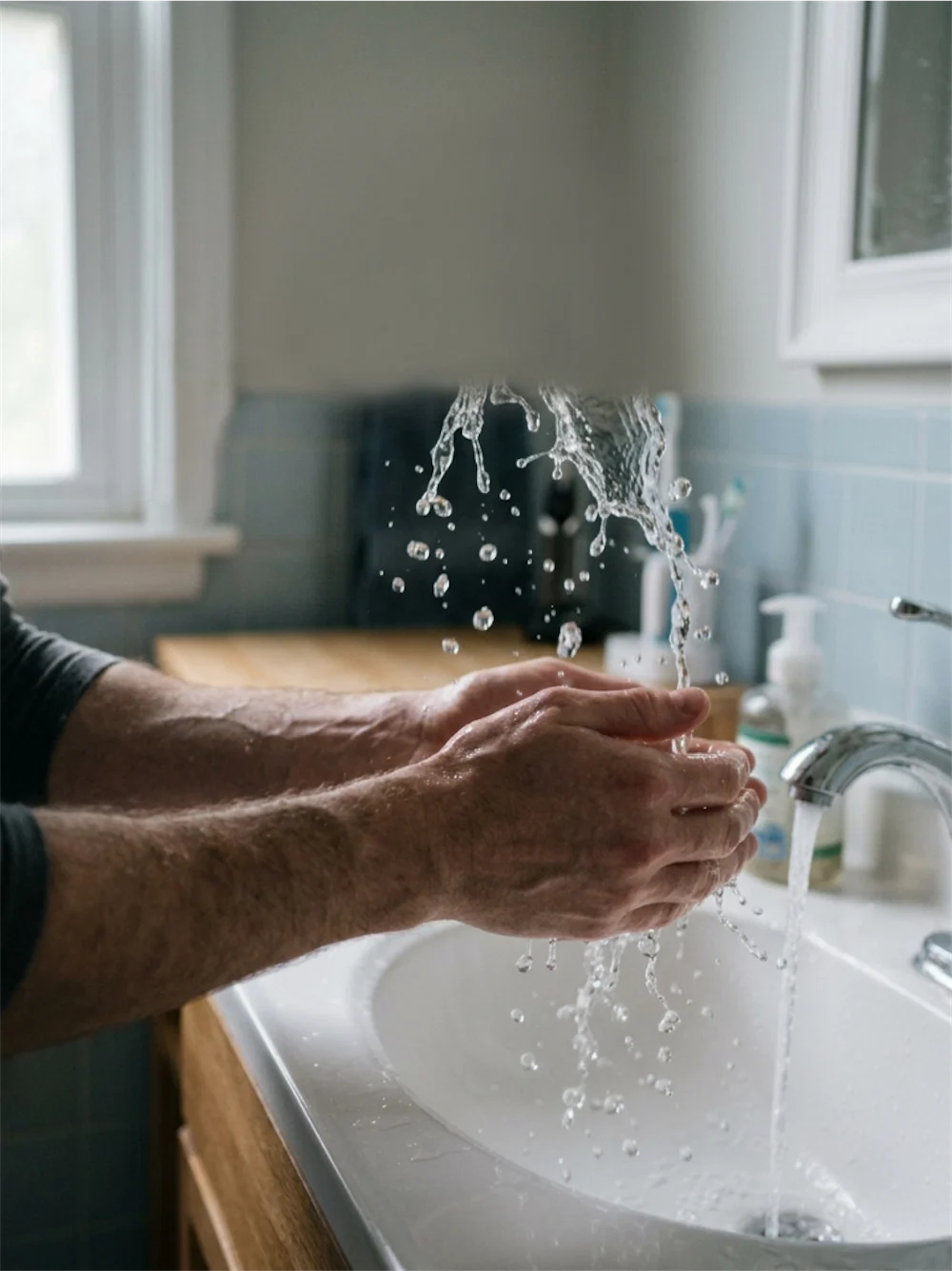
When cold water hits your face, specifically the area around your eyes and nose, it stimulates the trigeminal nerve. This nerve sends an immediate message to your brainstem, triggering a rapid parasympathetic response. Your heart rate slows down by ten to twenty-five percent, blood vessels in your extremities constrict to send oxygenated blood to your vital organs, and your breathing rate stabilizes.
This reaction is an ancient survival mechanism designed to help mammals conserve oxygen when submerged in water. In a state of intense panic, your sympathetic nervous system is running wild, pumping adrenaline and cortisol through your veins. Submerging your face in cold water acts like a biological circuit breaker, forcing your heart to slow down and overriding the false alarm your brain is sounding.
In fact, clinical resources indicate that cold water activates the vagus nerve, which serves as the primary highway of your relaxation system. When you use this simple physical trick, you are not trying to think your way out of panic. You are using your physical body to force your brain to calm down.
If you are dealing with chronic physical symptoms after a toxic breakup, you might find yourself constantly walking on eggshells. This state of constant hyperarousal can lead to frequent panic episodes, making it essential to have physical grounding tools on hand. Reading a practical toxic ex anxiety guide can help you understand why your body reacts so strongly to triggers long after the relationship is over. When you have spent years managing an unpredictable partner, your nervous system remains stuck in high gear even when you are completely safe.
Step-by-Step Guide to the Cold Water Face Dip
To get the full benefits of this physical reset, you need to perform the technique correctly. Here is exactly how to do it when you feel a wave of anxiety rising:
- Fill a large bowl with cold water. You can add a few ice cubes to make it chilly, but avoid making it painfully freezing. The temperature should be around fifty to sixty degrees Fahrenheit to trigger the sensors on your skin without causing shock.
- Pull your hair back and take a deep breath. Hold your breath as you prepare to submerge your face, which mimics the natural diving response.
- Submerge your face completely. Lower your face into the water, making sure the area around your eyes, nose, and temples is wet. These areas contain the highest concentration of receptors that communicate with your vagus nerve.
- Hold your position for fifteen to thirty seconds. Keep your face submerged for as long as is comfortable. Do not force yourself to hold your breath if you feel highly uncomfortable.
- Lift your head and exhale. Take a slow, gentle breath and notice the immediate drop in your heart rate. Your nervous system will automatically begin to settle.
If you do not have a bowl nearby, you can splash cold water repeatedly onto your face or press a cold, wet towel or ice pack against your eyes and cheeks. While a full dip is most effective, these alternatives can still trigger a milder version of the reflex.
Why Trauma Survivors Experience Frequent Panic Attacks
During my twelve-year toxic relationship, my brain was rewired to expect danger at any moment. When you live with a partner who constantly gaslights you, shifts goals, or subjects you to sudden discards, your nervous system remains stuck in high gear. Even after escaping the relationship, your brain continues to look for threats in your daily environment.
This constant state of threat detection is why simple triggers can balloon into full-blown panic attacks. Your body is trying to protect you from danger that is no longer there, but your primal brain does not know the difference. Utilizing physiological hacks like cold water helps you calm this overactive alarm system without needing to analyze the thoughts behind it.
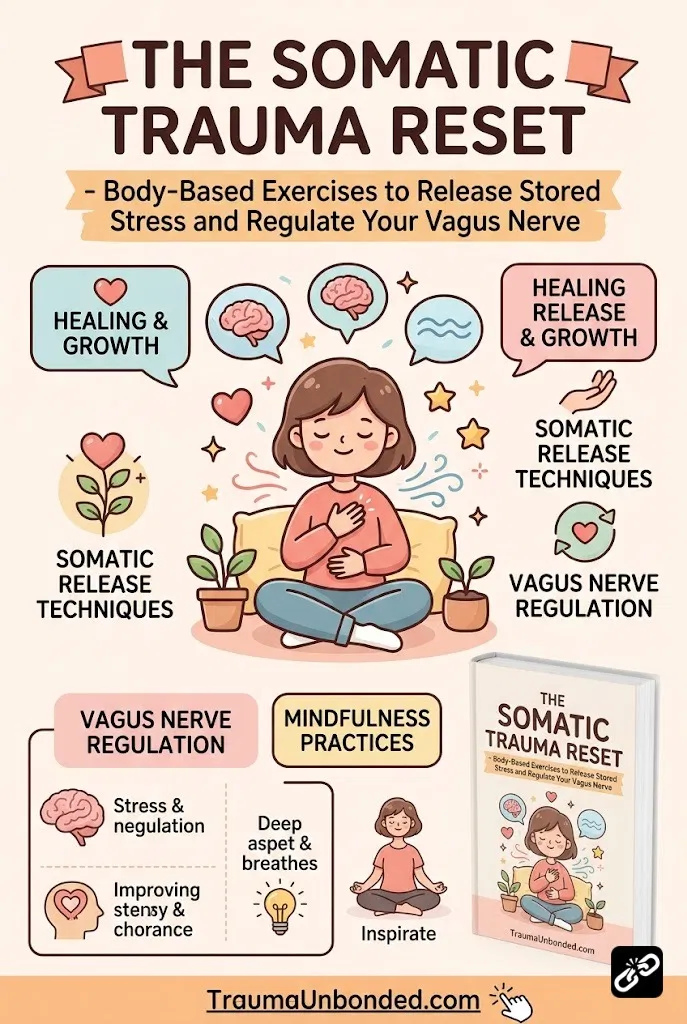
If you are tired of living in survival mode and want a complete, body-based path to regulate your nervous system, specialized techniques can help you reclaim your life. Our somatic guide provides daily exercises specifically designed to release stored stress, calm chronic anxiety, and restore your natural state of peace.
Rebuilding Your Nervous System After Narcissistic and BPD Abuse

Recovering from a toxic relationship requires more than just understanding the intellectual concepts of abuse. When I finally left my ex, my mind knew I was safe, but my body was still trapped in a cage of fear. I was isolated, depressed, and constantly jumping at loud noises or sudden emails.
To truly heal, you must address the physical trauma stored in your tissues. While a cold water face dip is a fantastic emergency tool for stopping panic in its tracks, long-term healing requires daily maintenance. Practicing structured nervous system regulation exercises can help you slowly lower your baseline anxiety levels over time.
By training your body to return to a state of calm, you show your brain that the danger has passed. This process takes time, especially if you have spent years in a state of high alert, but your nervous system is incredibly resilient. Every physical reset you perform helps build a new pathway toward peace.
Other Fast Ways to Calm Your Vagus Nerve
If you are at work or in a public space where you cannot submerge your face in ice water, there are other somatic options you can use to calm down quickly. These techniques work on the same principles of vagus nerve stimulation to help you ground yourself in the present moment:
- The sighing breath. Take two quick inhales through your nose, followed by one long, slow exhale through your mouth. Repeating this cycle three times immediately signals your brain to lower your heart rate.
- Humming or chanting. The vagus nerve passes right by your vocal cords. Making a low humming sound or chanting softly vibrates these vocal cords, activating your parasympathetic nervous system.
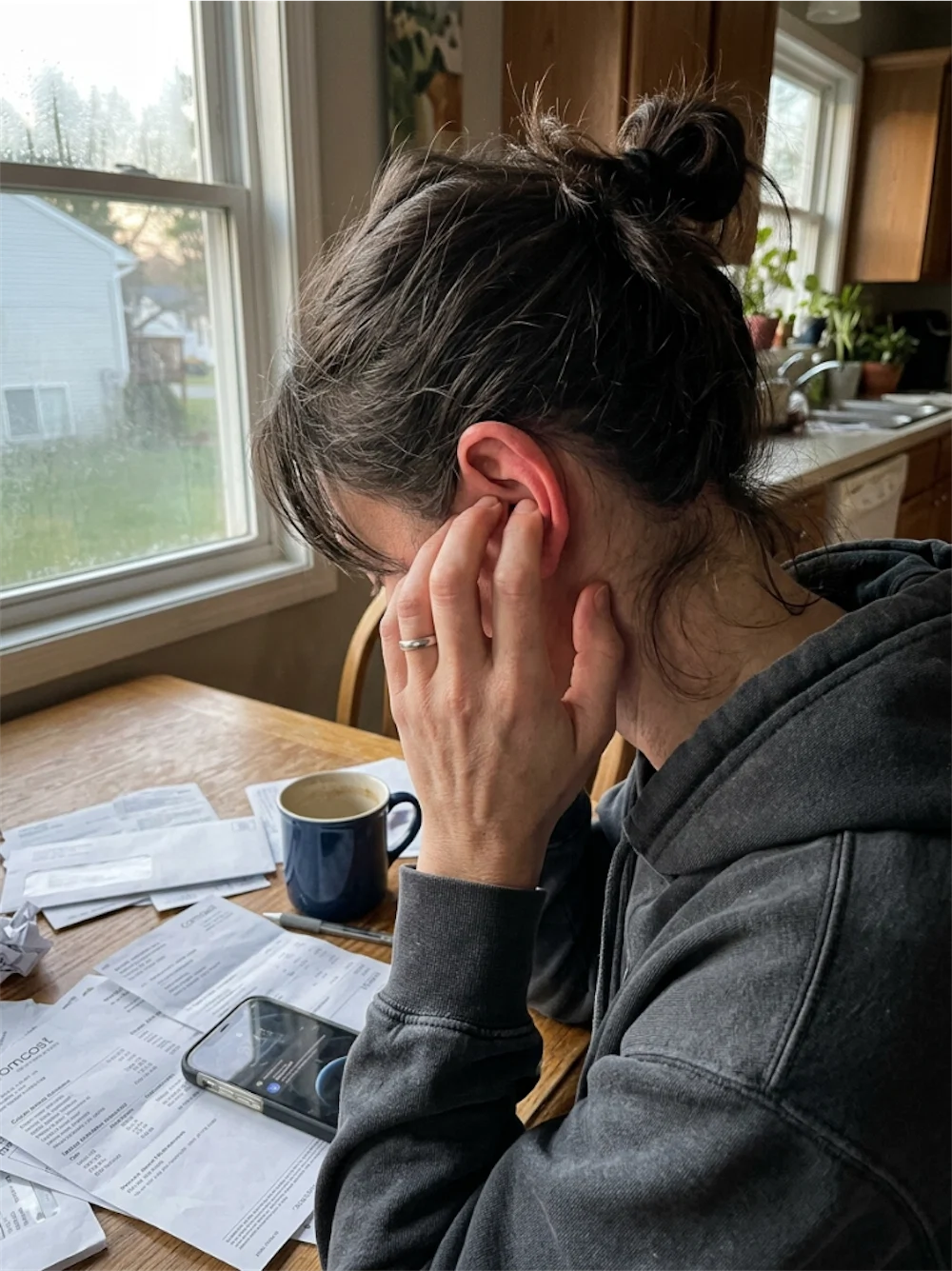
- Auricular ear massage. Gently massaging the outer parts of your ears stimulates branches of the vagus nerve that terminate there. This can help ease the physical tension in your chest and jaw.
For a comprehensive approach to managing physical anxiety, exploring targeted vagus nerve anxiety exercises can give you a full library of somatic tools. These practices work beautifully together to keep you grounded during stressful moments throughout your day.
Shifting Your Perspective on Panic Attacks
When a panic attack strikes, it feels like you are dying. Your heart is racing, your hands are shaking, and your mind convinces you that you are in grave danger. However, once you understand that panic is simply a chemical surge designed to protect you, the fear of the panic itself begins to lose its grip.
Can you learn to view your panic as an overprotective friend? Your body is simply trying to keep you safe from the trauma of your past, albeit in a highly inconvenient way. Instead of fighting the physical sensations, try to acknowledge them with compassion, dip your face in cold water, and let the physiology do its work.
With time, patience, and the right somatic tools, you can retrain your body to feel safe again. I never thought I would return to my cheerful, optimistic self after my world fell apart, but consistent physical regulation made it possible. If you are ready to start your own recovery, the somatic trauma reset guide provides everything you need to begin.

Meet Your Guide
Helen Brooks
After surviving a 12-year NPD/BPD relationship, I dedicated over a decade to studying trauma bonding and nervous system recovery. My mission is to help you break free from the fog and reclaim your authentic self.
Ready to break the trauma bond and reclaim your life?