Signs of High-Functioning Codependency: When Being ‘Strong’ Keeps You Trapped
If you are searching for the **signs of high-functioning codependency**, you likely feel like the strong one who always has everything under control. For years, I believed my ability to hold my life together while managing a volatile, toxic relationship was a badge of honor. But behind that hyper-competent exterior was a quiet desperation that kept me trapped in a cycle of emotional self-neglect.
During my twelve years with a partner who exhibited both narcissistic personality disorder and borderline personality disorder traits, I became a master at hiding my pain. I was the reliable friend, the perfect employee, and the family savior, yet my personal life was completely miserable. I had lost my friends, abandoned my hobbies, and spent every ounce of my energy preventing emotional explosions at home.
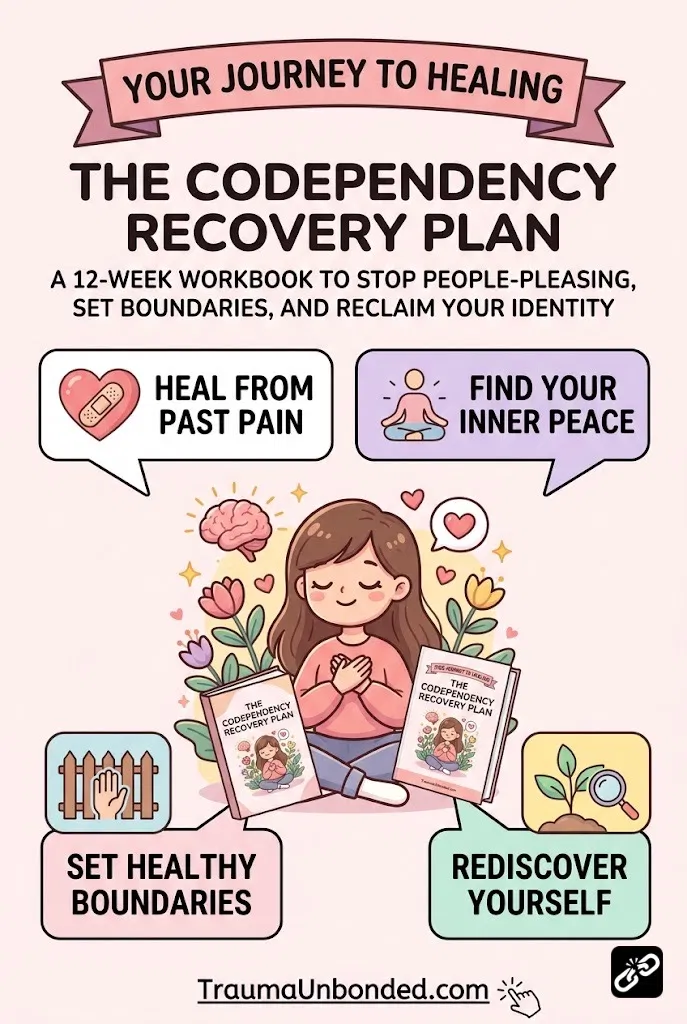
This is the ultimate trap of being a “strong” survivor: your resilience becomes the very cage that prevents you from seeking help. Realizing that my resilience was actually a trauma response was the first step toward reclaiming my life. If you feel like your identity is entirely wrapped up in managing everyone else’s crises, downloading The Codependency Recovery Plan – A 12-Week Workbook to Stop People-Pleasing, Set Boundaries, and Reclaim Your Identity can provide the practical roadmaps you need to start untangling your self-worth from other people’s chaos.
What Is High-Functioning Codependency?
High-functioning codependency is a behavioral pattern where an individual appears highly successful, self-sufficient, and capable on the outside, while internally relying on being needed, fixing others, and suppressing their own emotional needs to maintain safety in relationships.
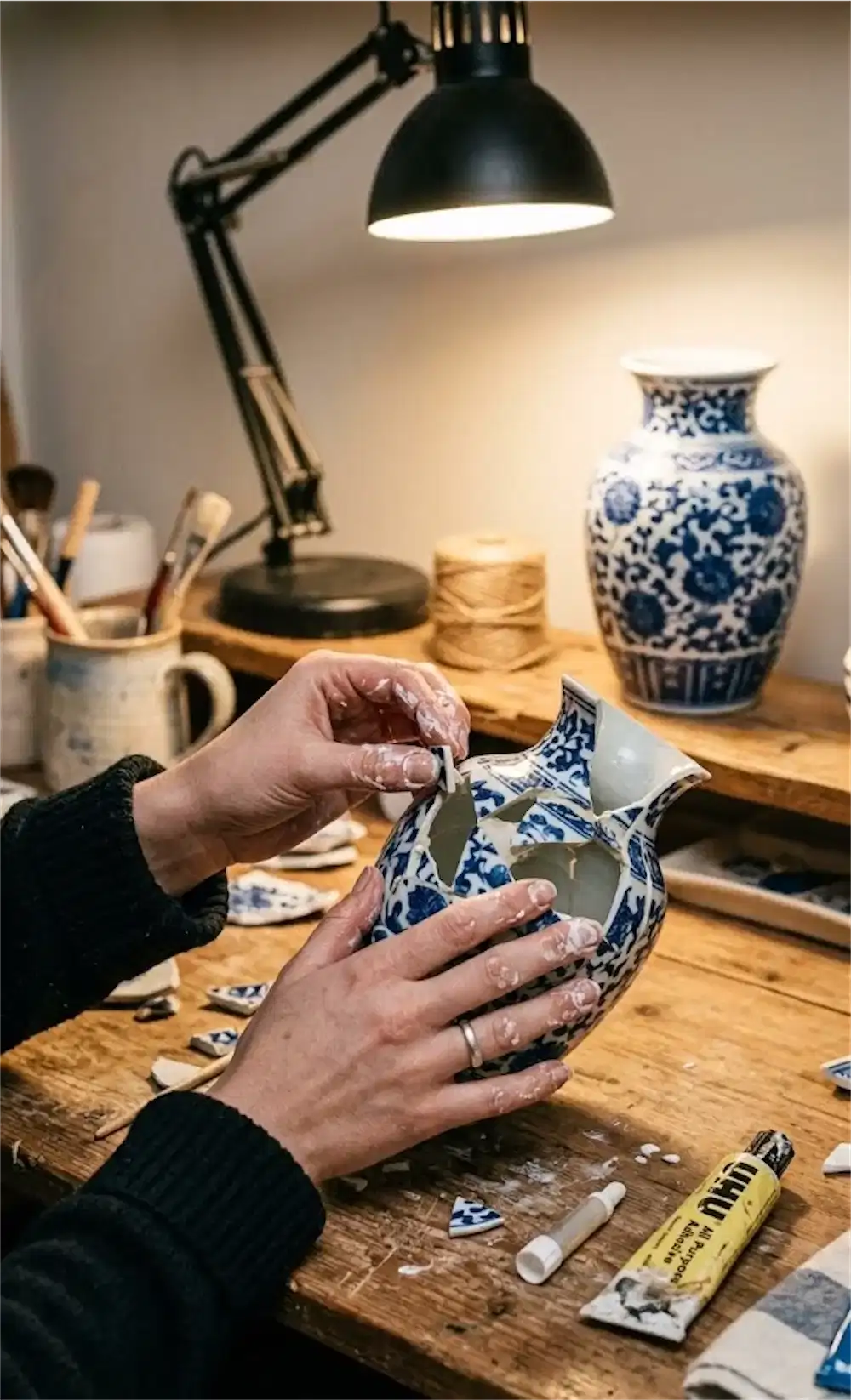
In a standard relationship dynamic, codependency often looks like obvious desperation or helplessness. But the high-functioning version is much more subtle because it is masked by competence. You might hold a demanding job, run a household flawlessly, and manage everyone else’s schedules, all while feeling completely empty inside. According to the Psychology Today overview of codependency, this behavior involves sacrificing your own needs to meet the demands of others, which leads to a severe loss of personal identity [1].
Why do we do this? For many of us, being competent is a shield. If we are indispensable, we cannot be abandoned. In my toxic relationship, my ex-partner’s mood swings meant that I had to be perfect to keep the peace. I mistakenly thought that my ability to navigate their emotional storms was a sign of true love and endurance.
Do you find yourself constantly stepping in to solve problems that are not yours to fix? When you spend your life acting as an emotional shock absorber, you slowly teach yourself that your feelings do not matter. This self-silencing is a core element of the trauma response, and it drains your life of joy until you no longer recognize yourself in the mirror.
The Most Common Signs of High-Functioning Codependency
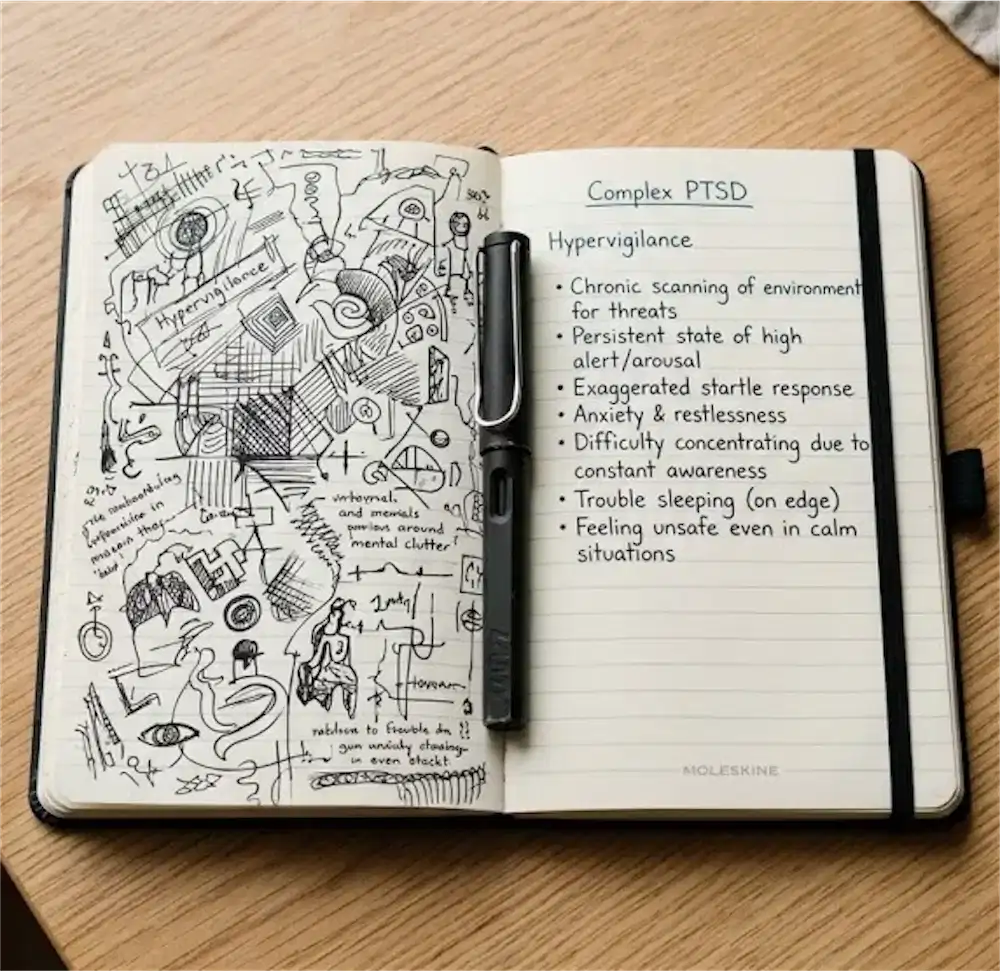
Recognizing these patterns in yourself can be difficult because society praises your hyper-independence. However, looking closely at your daily behaviors can reveal the hidden costs of your self-sacrificing nature. Many of these behaviors are deeply rooted in the fawn response traits guide, where appeasing a toxic partner becomes your primary survival mechanism.
- **You are the default savior:** Everyone brings their crises to you, but you refuse to ask for help because you do not want to be a burden.
- **Extreme guilt over boundaries:** Saying no feels like an act of betrayal, and you will work yourself to exhaustion just to avoid disappointing someone.
- **Confusing pity with love:** You are drawn to people who need fixing or saving, believing that your worth is tied to how much you can help them recover.
- **Compulsive over-working:** You use productivity and external achievements to distract yourself from the deep pain and loneliness in your personal relationships.
- **Physical burnout:** Your body is constantly keeping score, presenting symptoms like muscle tension, chronic fatigue, or digestive issues that you simply push through.
During my recovery, I had to accept that my chronic back pain and relentless exhaustion were not just physical issues. They were physical manifestations of carrying the emotional weight of two people for more than a decade. If you do not allow yourself to rest and heal, your body will eventually make that decision for you.
If you recognize these patterns in your own life, it is time to stop wearing your exhaustion as a badge of honor. Real recovery requires shifting from constant crisis management to active self-restoration. To help you break this exhausting cycle, I highly recommend using a structured, step-by-step workbook to rebuild your sense of self and assert your boundaries without guilt.
Stepping away from the role of the helper is terrifying because it forces you to face the emptiness that has accumulated over the years. But on the other side of that fear is your true, authentic self. When you stop fixing others, you finally have the energy to fix your own life.
How ‘Strength’ Keeps You Trapped in Toxic Relationships
In a toxic relationship with an NPD or BPD partner, your strength is weaponized against you. Because you are highly capable, the toxic partner can offload all their responsibilities onto you. They splitting you into either a perfect savior or a terrible villain, and your high-functioning nature drives you to work even harder to regain their approval.
I spent years believing that my patience was helping my partner heal. In reality, my endurance was only enabling their destructive behavior. I was shielding them from the consequences of their actions, which only kept both of us stuck in a painful loop. To heal, we must implement active strategies to overcome codependency and toxic stress rather than trying to endure the abuse.
Have you ever noticed that the more you do for them, the less they do for themselves? This parasitic dynamic is unsustainable. Your capacity to absorb pain is not a virtue; it is a symptom of a deep trauma bond that is slowly destroying your health, your happiness, and your future.
Breaking the High-Functioning Codependency Loop
Recovery is not about becoming cold or uncaring; it is about learning to direct your empathy inward. For years, your nervous system has been running on the high-octane fuel of panic and hypervigilance. Restoring your mental clarity often starts with calming your body through nervous system regulation exercises, which help lower the constant state of fight-or-flight.
- **Practice tiny boundary steps:** Start by saying no to small requests that drain you, and allow yourself to sit with the discomfort of disappointing others.
- **Let people experience their own consequences:** When you step back and stop rescuing others, you allow them the opportunity to grow, while protecting your own energy.
- **Reclaim your isolated parts:** Reconnect with old friends, rebuild lost hobbies, and rediscover what brought you joy before your life became about survival.
- **Grieve the loss of control:** Accept that you cannot control how others feel or react, and that your only true responsibility is to your own well-being.
It takes time to dismantle a coping mechanism that you have relied on for decades. Be gentle with yourself as you navigate the awkward transition from being a rescuer to being a self-advocate. Your worth is not defined by how useful you are to other people.
Today, I am back to my original self, cheerful, optimistic, and grounded. I no longer feel the need to carry the weight of the world on my shoulders to feel valuable. Reclaiming my life from high-functioning codependency was the hardest thing I have ever done, but it was also the most liberating.
Your strength is a beautiful asset, but it belongs to you, not to those who exploit it. If you are ready to stop people-pleasing and reclaim your identity, I encourage you to check out The Codependency Recovery Plan – A 12-Week Workbook to Stop People-Pleasing, Set Boundaries, and Reclaim Your Identity. You deserve to live a life that is truly your own, free from the crushing weight of trying to save everyone else.

Meet Your Guide
Helen Brooks
After surviving a 12-year NPD/BPD relationship, I dedicated over a decade to studying trauma bonding and nervous system recovery. My mission is to help you break free from the fog and reclaim your authentic self.
Ready to break the trauma bond and reclaim your life?