10 Therapeutic Journaling Prompts for the First 90 Days Post-Narcissist Breakup
Three weeks after my breakup, I sat at my kitchen table at 2 AM with a blank notebook and no idea where to start. My therapist had suggested journaling. “It helps process the trauma,” she said. But staring at that empty page felt like staring into the void of my own confusion, pain, and self-doubt.
How do you write about something you can’t even name yet? How do you process 12 years of manipulation, gaslighting, and intermittent reinforcement when you’re still not sure if it actually happened the way you remember? I didn’t know if I was the victim or the villain. I didn’t know if I’d made the right choice leaving or if I was destroying the only relationship I’d ever have.
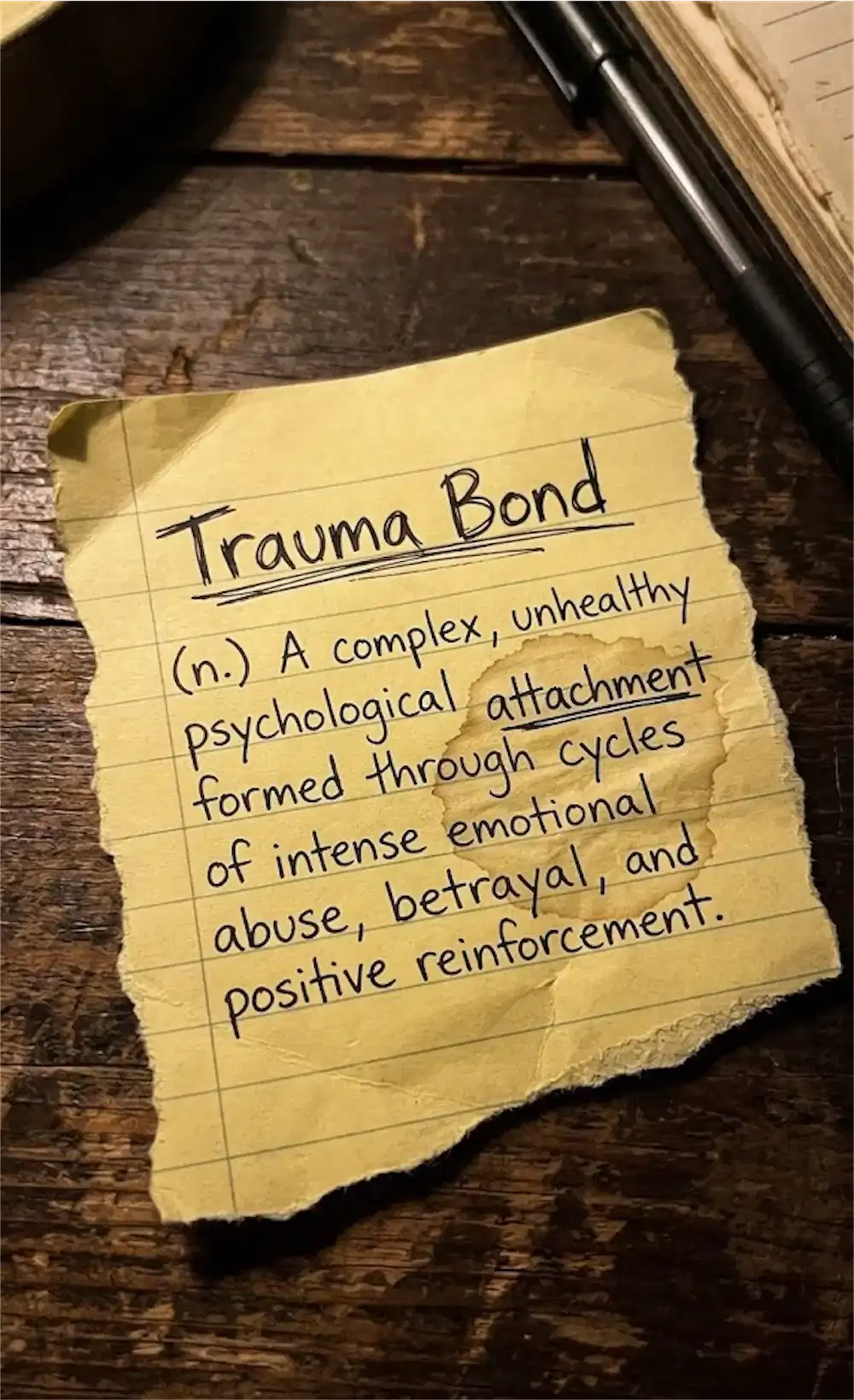
That’s what makes the first 90 days after leaving a narcissistic relationship so brutal. Your brain is in withdrawal from a trauma bond. Your reality has been systematically dismantled through years of psychological manipulation. You’re grieving not just a person, but the future you thought you were building and the version of yourself you lost along the way.
Journaling became my lifeline during those first three months. Not the “dear diary” kind of journaling, but structured, therapeutic prompts that forced me to examine specific aspects of my experience and recovery. These weren’t feel-good affirmations. They were hard questions that made me uncomfortable, angry, and sometimes physically ill to answer.
But they worked. This article shares the 10 journaling prompts that got me through the first 90 days after my breakup. They’re organized to match the psychological stages you’ll likely move through: shock and denial, grief and anger, reality testing, and early rebuilding. Use them in order or jump around. There’s no wrong way to heal.
Why Journaling Works for Trauma Bond Recovery
Before I give you the prompts, you need to understand why journaling is particularly effective for recovering from narcissistic abuse. It’s not just therapeutic venting. There’s actual neuroscience behind it.
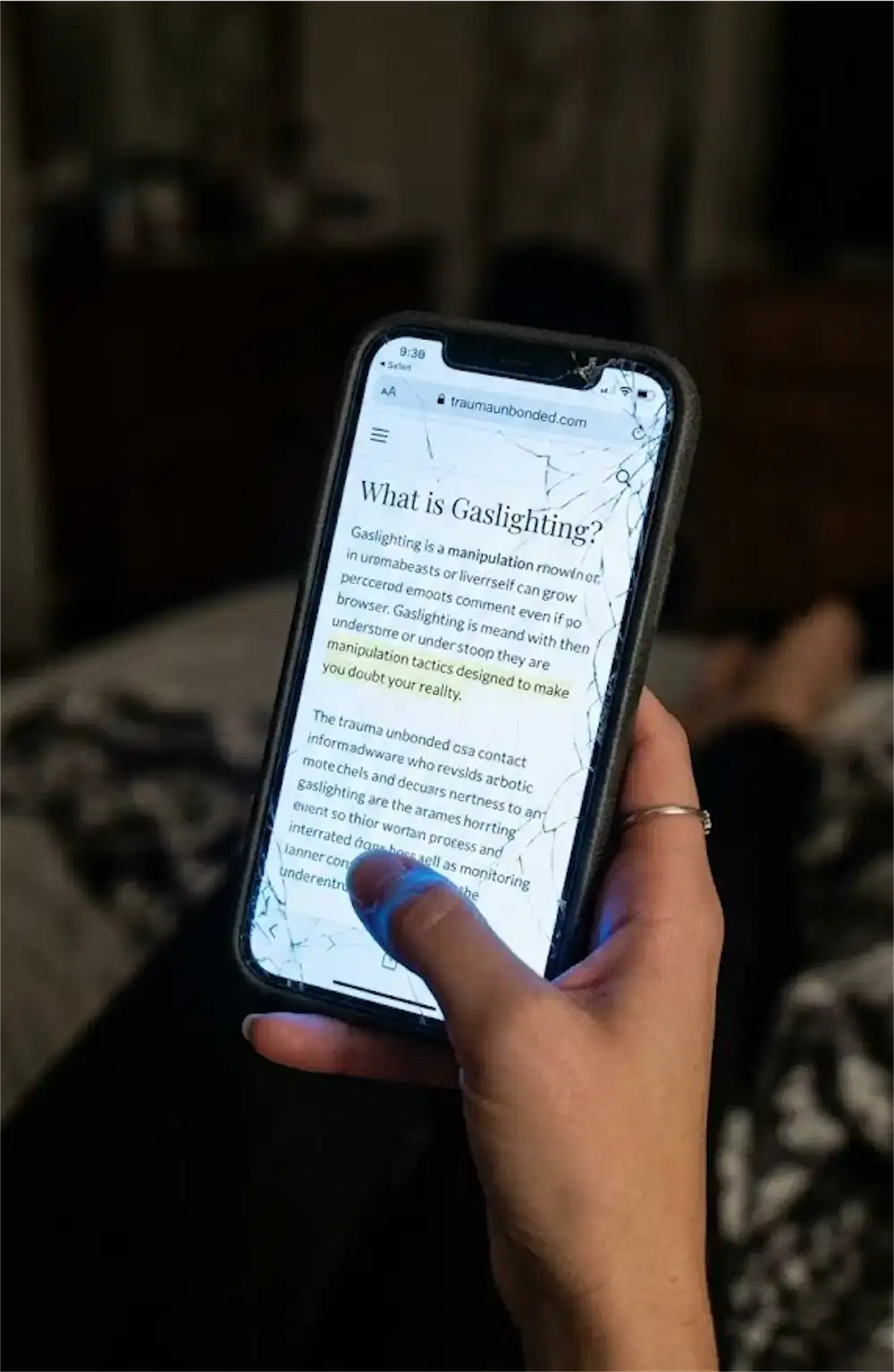
When you’ve been in a relationship with someone who has narcissistic or borderline traits, your reality has been systematically distorted through gaslighting, projection, and blame-shifting. Your own memories become unreliable. You question what actually happened versus what you were told happened. This cognitive dissonance keeps you stuck.
According to research from Dr. James Pennebaker at the University of Texas, expressive writing about traumatic experiences helps organize chaotic thoughts, create coherent narratives from fragmented memories, and regulate the nervous system. When you write about your experience, you’re literally rewiring your brain’s understanding of what happened.
During my 12-year relationship, I lost the ability to trust my own perception. My ex would tell me conversations never happened, that I was remembering things wrong, that my emotional reactions were irrational. Journaling gave me a record I could return to. It became my witness when I doubted myself.
The first 90 days are critical because this is when you’re most vulnerable to hoovering (when your ex tries to pull you back in) and self-doubt. Having a written record of your actual experience, not the revised version your ex or your trauma-bonded brain wants to believe, can be the difference between staying free and getting sucked back into the cycle.
Get yourself a dedicated journal for this work. I recommend a structured recovery journal that provides both prompts and free-writing space. The physical act of writing by hand engages different parts of your brain than typing and can be more therapeutic.
Days 1-30: Shock and Reality Testing
The first month is about survival. You’re in shock. Your body is going through literal withdrawal from the neurochemical cocktail that kept you bonded to an abusive person. You might feel physically sick, unable to sleep, unable to eat, or unable to stop crying. That’s normal.

These first prompts focus on reality testing. After years of gaslighting, you need to rebuild trust in your own perception. Don’t edit yourself. Don’t worry about grammar or making sense. Just write.
Prompt 1: “What Actually Happened”
Write out the events that led to the breakup or your decision to leave. Be specific. Include dates, times, exact words if you remember them. This isn’t about interpretation or feelings yet. This is just documenting what objectively occurred.
Example: “On March 15th, he told me I was crazy for being upset that he didn’t come home until 4 AM without calling. He said I was controlling and that I had trust issues. When I mentioned this had happened six times in two months, he said I was ‘keeping score’ and that proved I didn’t really love him.”
Why this works: You’re creating a factual record before your brain starts revising history. In week three, when you’re romanticizing the relationship and forgetting why you left, you can return to this entry. It grounds you in reality.
I filled 30 pages with this prompt alone. I documented specific incidents I’d minimized, excused, or forgotten entirely. Seeing them written out, one after another, made patterns visible that I couldn’t see when I was living through them.
Prompt 2: “Things I Know Are True (Even When I Doubt Them)”
Make a list of truths about the relationship that you know intellectually but struggle to believe emotionally. Start each statement with “I know that…” and then write the truth, followed by “Even though I feel…”
Example: “I know that someone who loves me wouldn’t call me names during arguments, even though I feel like maybe I deserved it because I was being difficult.”
Why this works: It exposes the gap between intellectual knowledge and emotional belief. That gap is where trauma bonds live. By naming both the truth and the competing feeling, you start to integrate them.
My list included things like: “I know that my needs for basic respect are not unreasonable, even though I feel selfish for having them.” Writing these statements daily helped reprogram years of conditioning that told me I was always the problem.
Prompt 3: “The Story I Tell Myself vs. What Someone Else Would See”
Choose a specific incident from the relationship. Write it twice. First, write the story you tell yourself about what happened, including all your self-blame and justifications. Then write what a neutral observer would see if they watched the same scene.
Example of my story: “I ruined our anniversary dinner by bringing up the fact that he forgot to make reservations. I should have just been grateful we were spending time together. I’m too focused on material things.”
Observer’s perspective: “She calmly mentioned disappointment that he forgot the restaurant reservation after she reminded him three times. He exploded, accused her of being materialistic and ungrateful, and gave her the silent treatment for two days. She apologized repeatedly while he ignored her.”
Why this works: Narcissistic abuse survivors have been trained to interpret every situation through a lens of self-blame. This prompt helps you see how distorted that lens is. It builds the skill of objective observation, which you’ll need for recovery.
Understanding how no contact protects your healing process becomes easier when you can see these distortions clearly.
Days 31-60: Grief and Processing
Month two is when the shock wears off and the real grief hits. You’re not just grieving the relationship. You’re grieving the time you lost, the person you used to be, the future you imagined, and possibly even the realization of how bad things actually were.

This was my hardest phase. I cried more in weeks five through eight than I had in the entire previous year. These prompts help you process that grief instead of numbing it or rushing through it.
Prompt 4: “What I’m Actually Grieving”
Make a detailed list of everything you’re mourning. Don’t just write “the relationship.” Break it down. You might be grieving the person you thought they were, the fantasy of who they could become, the version of yourself before the relationship, specific dreams or plans, the time you invested, or even the role the relationship played in your identity.
My list included surprising things: “I’m grieving the role of ‘patient partner who helps someone heal.’ I’m grieving my identity as someone who could fix anything. I’m grieving 12 years I can never get back. I’m grieving the wedding I thought we’d have. I’m grieving my 20s.”
Why this works: When you name what you’re actually losing, you can grieve it properly. Grief that doesn’t get named gets stuck and turns into depression, anxiety, or physical symptoms. This prompt gives your grief permission to exist in its full complexity.
Prompt 5: “Red Flags I Ignored and Why”
List the warning signs you noticed and dismissed. For each one, write honestly about why you ignored it. This isn’t about self-blame. It’s about understanding your vulnerability patterns so you can address them.
Example: “Red flag: He love-bombed me intensely in the first two weeks, saying he’d never met anyone like me and that he knew I was ‘the one.’ Why I ignored it: I was lonely. It felt amazing to be seen and chosen so completely. I thought it meant he really cared, not that he was mirroring me and creating false intimacy.”
Why this works: You can’t heal what you don’t understand. This prompt helps you see patterns that made you vulnerable. It’s not about beating yourself up; it’s about becoming aware so you don’t repeat the pattern.
I discovered that many red flags I ignored connected directly to my childhood wounds. Learning about how childhood experiences create vulnerability to narcissistic relationships helped me make sense of why I dismissed so many obvious warning signs.
Prompt 6: “The Relationship I Wish I’d Had vs. The One I Actually Had”
Create two columns. In one, describe the relationship you fantasized about or believed you were in during the good moments. In the other, describe the relationship you actually experienced most of the time.
Fantasy: “A partnership where we supported each other’s growth, communicated openly, and built a life together based on mutual respect.”
Reality: “A relationship where I walked on eggshells, never knew which version of him I’d get, constantly apologized for things I didn’t do, and slowly lost myself trying to keep him happy.”
Why this works: Trauma bonds keep you attached to the fantasy while enduring the reality. Seeing them side by side helps your brain stop conflating them. You can grieve the fantasy relationship without having to return to the real one.
Prompt 7: “What This Relationship Taught Me About My Boundaries”
Write about boundaries that were violated in the relationship. What did you tolerate that you shouldn’t have? What did you give up that you shouldn’t have sacrificed? What treatment did you accept that violated your values?
Then write: “In my next relationship (romantic or otherwise), I will not accept…” and list specific boundaries you’re now committed to maintaining.
Why this works: Most people in narcissistic relationships had weak or non-existent boundaries to begin with. This prompt starts the process of defining what’s acceptable to you. It transforms your painful experience into wisdom you can use going forward.
I realized I’d tolerated being yelled at, having my belongings destroyed during arguments, being given the silent treatment for days, and being blamed for my partner’s emotional state. Writing “I will never again accept being screamed at, no matter what I’ve done” felt powerful. It became a boundary I’ve never compromised on since.
Days 61-90: Rebuilding and Integration
By month three, you’re starting to have more good days than bad days. You’re thinking about the future instead of just surviving the present. These prompts help you begin rebuilding your identity separate from the relationship.
Prompt 8: “Who Was I Before This Relationship?”
Describe yourself before you met your ex-partner. What did you enjoy? How did you spend your time? What were your values? What made you laugh? What were your dreams? Be as specific as possible.
Then write: “Parts of that person I want to reclaim…” and “Parts of that person I’ve outgrown…”
Why this works: Narcissistic relationships often involve a gradual erosion of your identity. You become focused entirely on managing your partner’s emotions and needs. This prompt helps you remember who you were and decide who you want to become.
When I did this exercise, I remembered that I used to paint. I’d completely stopped during the relationship because my ex mocked my artwork and called it a waste of time. Reclaiming that hobby became part of my healing process. I bought basic art supplies and started painting again, even though I was rusty. It felt like welcoming an old friend home.
Prompt 9: “Evidence of My Progress”
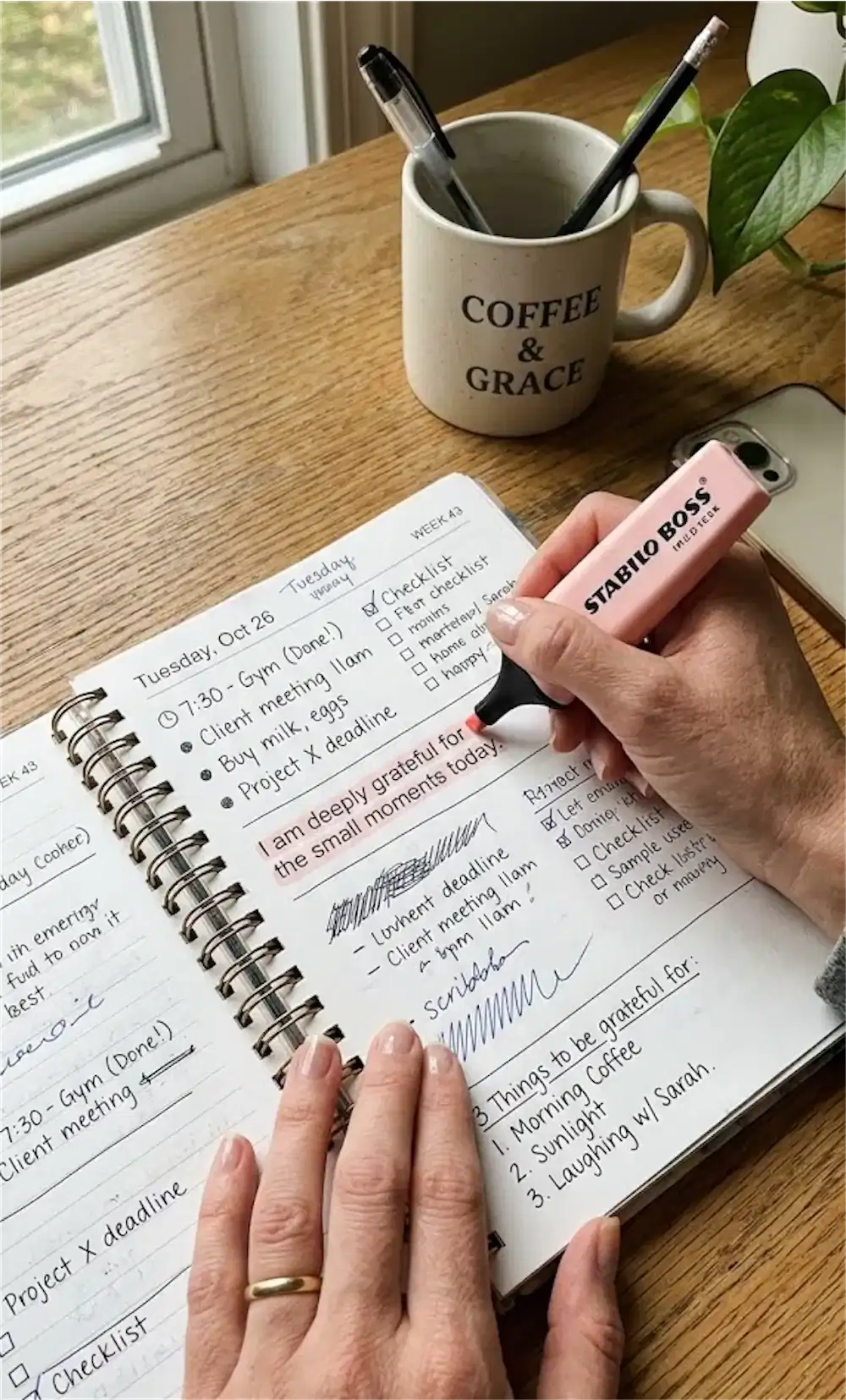
List concrete evidence that you’re healing. This can include: days you didn’t think about your ex, boundaries you maintained, tears you didn’t cry, social events you attended, self-care practices you stuck to, or moments you chose yourself over the urge to reach out.
Update this list weekly. Watch it grow.
Why this works: Recovery from narcissistic abuse is slow and non-linear. You’ll have setbacks. On bad days, you’ll feel like you’ve made no progress at all. This list provides objective evidence that you’re moving forward, even when it doesn’t feel like it.
My list started small: “Went two hours without checking if he texted. Ate a full meal. Slept five hours straight.” Three months later, it included: “Went on a weekend trip with friends. Didn’t check his social media for 12 days. Laughed genuinely at dinner. Made plans for next year.”
Tracking this kind of progress is part of why daily morning pages become such a powerful recovery tool beyond just the first 90 days.
Prompt 10: “What I’m Building Instead”
Write about the life you’re creating now. Not the life you wish you had or the life you think you should want. The actual life you’re building, day by day, choice by choice.
Include: routines you’ve established, relationships you’re nurturing, hobbies you’re exploring, personal growth you’re pursuing, boundaries you’re maintaining, and dreams you’re allowing yourself to have again.
Why this works: This prompt shifts your focus from what you lost to what you’re gaining. It helps you see your breakup not as an ending, but as a beginning. It plants seeds for the future instead of dwelling in the past.
My entry at day 90 included: “I’m building a life where I wake up without dread. Where I can make plans without worrying about someone’s mood. Where I’m learning to trust my own judgment again. Where I’m surrounded by people who respect my boundaries. Where I’m enough, just as I am.”
Reading that entry now, five years later, still makes me emotional. Not because I’m sad, but because I did it. I built that life. And you can too.
How to Use These Prompts Effectively
These prompts aren’t meant to be used once and forgotten. They’re tools you’ll return to repeatedly throughout your first 90 days and beyond. Here’s how to get the most out of them:
Schedule your journaling time. Don’t wait for inspiration or the “right mood.” I journaled every morning with my coffee, even on days when I didn’t want to. Consistency matters more than perfection. Even five minutes counts.
Don’t censor yourself. Nobody will read this except you. Write the ugly truths. Use curse words. Contradict yourself. Be messy. The point isn’t to produce beautiful prose; it’s to process trauma.
Revisit previous entries. Go back and read what you wrote a week ago, two weeks ago, a month ago. Notice patterns. Notice progress. Notice how your perspective shifts as you heal.
Combine these prompts with free-writing. After answering a structured prompt, spend a few minutes writing whatever comes to mind. Stream of consciousness. No editing. This helps process emotions that the prompt brought up.
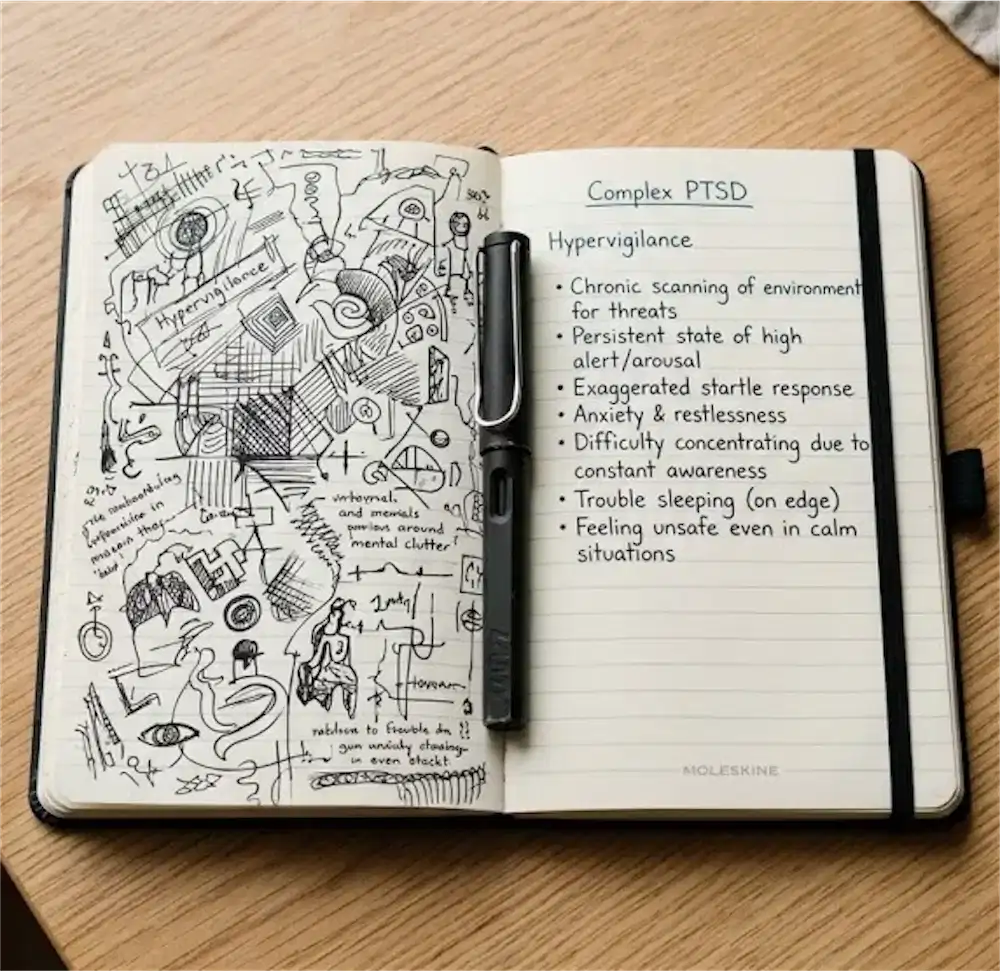
Use your journal to track triggers and patterns. When you have a bad day or a setback, write about what triggered it. Over time, you’ll see patterns that help you anticipate and manage difficult moments.
Be patient with yourself. Some prompts will feel impossible on certain days. That’s okay. Come back to them later. There’s no deadline, no grade, no wrong way to do this work.
Consider supplementing your journaling practice with structured workbooks designed for narcissistic abuse recovery. They provide additional prompts and exercises that complement these 10 core questions.
What Happens After Day 90
Day 90 isn’t a finish line. You won’t wake up on day 91 completely healed, all trauma processed, ready to trust again. Recovery doesn’t work that way. But you will be different than you were on day one. That difference is everything.
At day 90, I still had hard days. I still sometimes missed my ex, or more accurately, missed the fantasy of who I thought he was. I still questioned my decision sometimes. But those moments became less frequent and less intense. The fog was lifting.
The journaling practice I built during those first 90 days became a permanent part of my healing. I still journal regularly, five years later. The prompts have evolved, but the practice remains. It’s how I process difficult emotions, track my growth, and stay connected to myself.
You might continue using these same 10 prompts on rotation, or you might develop your own questions based on what you need. Some survivors find that tracking patterns of self-doubt and recognizing abuse aftermath through journaling helps prevent future toxic relationships.
The skills you build through this journaling practice extend far beyond the first 90 days. You’re learning to trust your own perception again, to validate your own emotions, to set boundaries, to grieve what needs to be grieved, and to build a life worth living. Those skills last forever.
Start today. Open a notebook. Pick one prompt. Write for five minutes. That’s all it takes to begin. Your future self will thank you for having the courage to face these questions and process this pain instead of numbing it or rushing past it.
You survived the relationship. Now you get to build something beautiful from the wreckage. These prompts are your blueprint.
Recommended Resources
- Guided Journals for Narcissistic Abuse Recovery – Structured prompts and exercises specifically designed for trauma processing
- The Body Keeps the Score by Bessel van der Kolk – Understanding how trauma affects your body and brain
- Psychopath Free by Jackson MacKenzie – Recognizing and recovering from narcissistic abuse patterns
- Our Full List of Recommended Books – Curated resources for every stage of recovery
- Recovery Tools & Resources – Practical strategies, worksheets, and support for your healing journey

Meet Your Guide
Helen Brooks
After surviving a 12-year NPD/BPD relationship, I dedicated over a decade to studying trauma bonding and nervous system recovery. My mission is to help you break free from the fog and reclaim your authentic self.
Ready to break the trauma bond and reclaim your life?