15 Ancestral Wisdom Tips for Breaking Free from Toxic Narcissistic Cycles
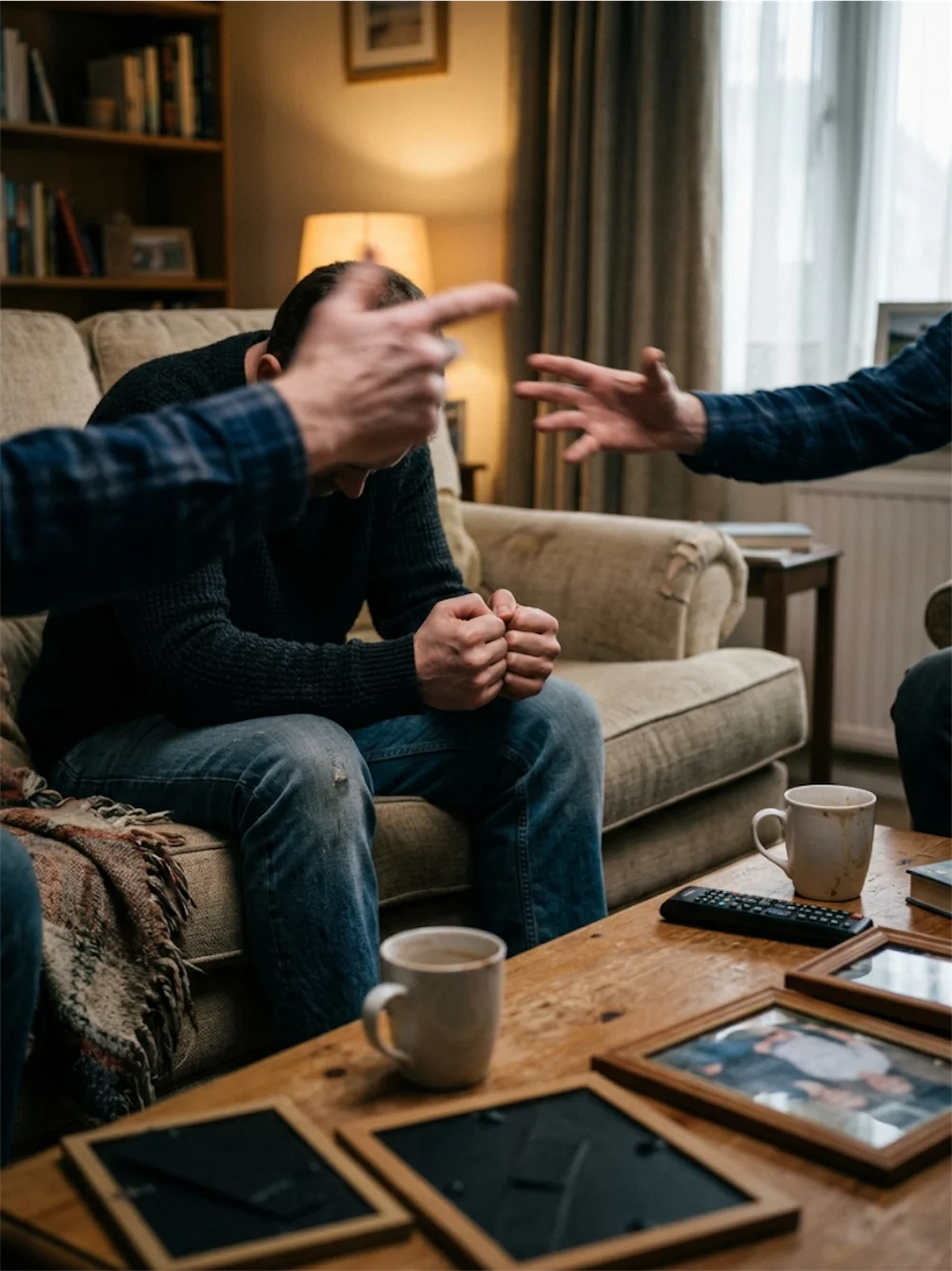
After 12 years trapped in a relationship with someone who had both NPD and BPD traits, I found myself sitting on my therapist’s couch, completely broken. Modern psychology gave me the vocabulary—gaslighting, trauma bonding, intermittent reinforcement. But something was still missing. The clinical terms explained what happened, but they didn’t tell me how to reconnect with the person I used to be.
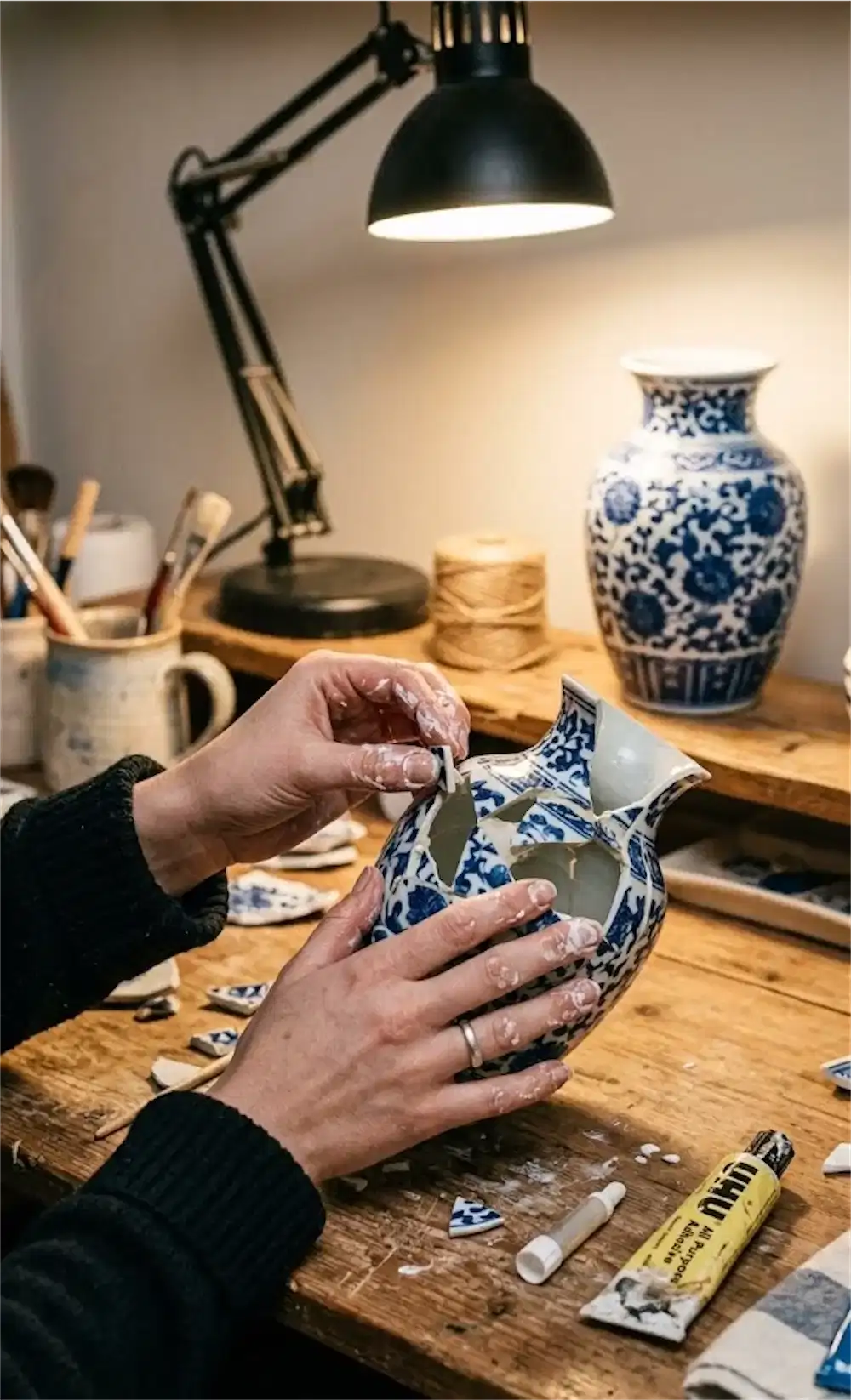
That’s when I started looking backward instead of forward. Our ancestors survived wars, famines, betrayals, and community fractures without DSM diagnoses or therapy apps. They had something we’ve lost: embodied wisdom about surviving relational trauma and rebuilding your spirit from the ground up.
These aren’t mystical shortcuts or spiritual bypasses. Think of them as the operating system our nervous systems were designed to run on—practices that helped humans process pain and reclaim their power for thousands of years before we had words like “narcissistic abuse.”
1. Return to the Earth: Grounding Practices That Actually Work
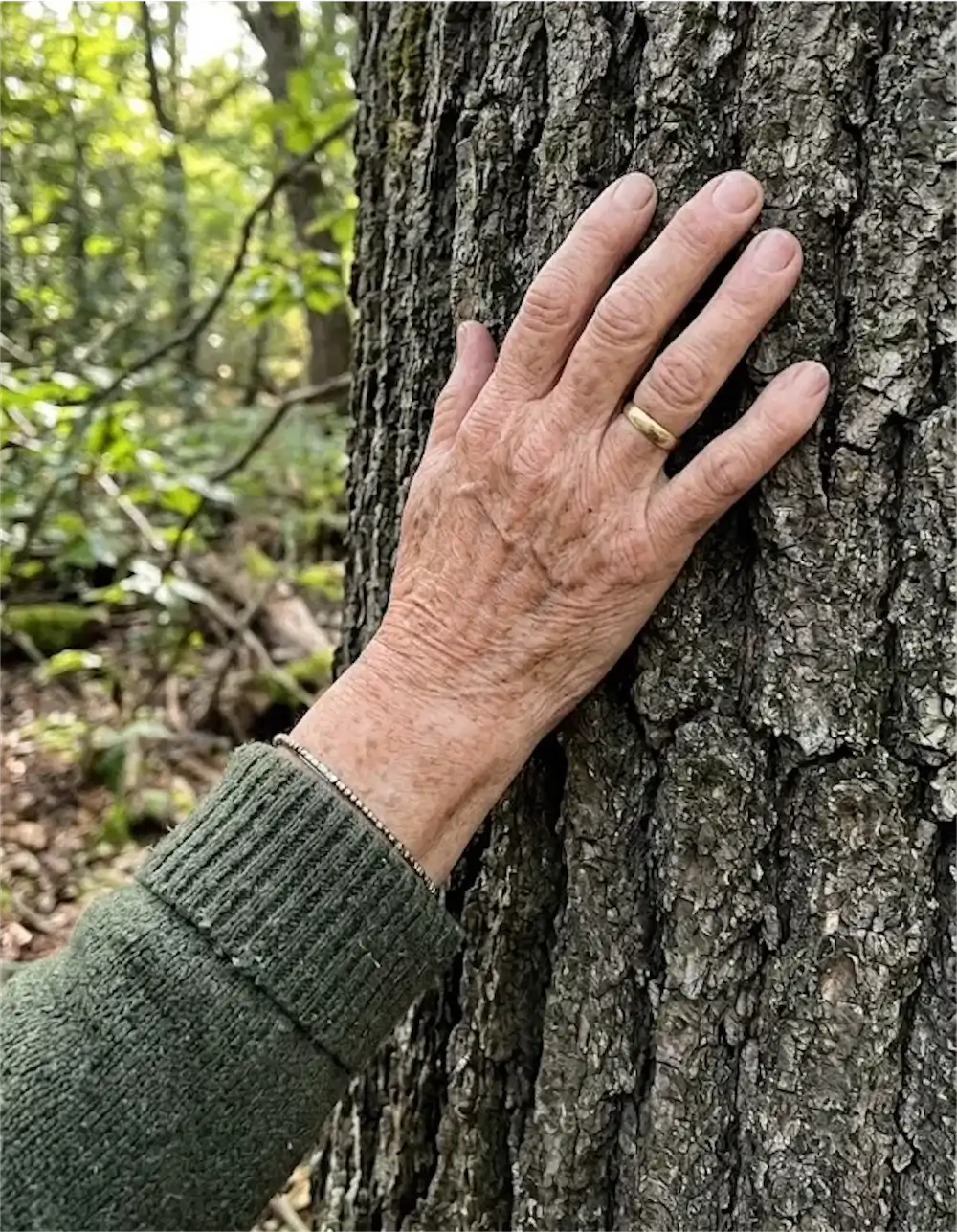
During my relationship, I spent most of my time indoors, walking on eggshells, hypervigilant to every mood shift. My nervous system was stuck in fight-or-flight mode 24/7. When I finally started walking barefoot on grass—something my grandmother did every morning—I felt the first crack in that hypervigilance.
Indigenous cultures across continents understood that direct contact with the earth literally discharges stress. Modern research calls it “earthing” or “grounding,” and studies from the Journal of Environmental and Public Health confirm it reduces cortisol and inflammation.
Spend 10 minutes daily with bare feet on soil, grass, or sand. No phone. No agenda. Just you and the earth beneath you. Your body remembers this connection even if your mind has forgotten.
2. The Sacred Power of Fire: Burning What No Longer Serves
Our ancestors used fire ceremonies to mark endings and beginnings. After I moved out, I wrote down every lie, every manipulation, every cruel comment I’d internalized on scraps of paper. Then I burned them in my backyard fire pit.
This wasn’t about magic. It was about giving my brain a physical, irreversible signal that this chapter was over. Neuroscience backs this up—rituals help our brains process transitions that feel too big for words alone.
Write what haunts you. Burn it safely. Watch the smoke carry it away. You can grab a simple fireproof burning bowl if you don’t have outdoor space.
3. Water as Witness: Cleansing Rituals for Emotional Release
Every major spiritual tradition uses water for purification. Not because water is magical, but because our bodies recognize the symbolism. After particularly hard therapy sessions, I started taking intentional baths—not bubble baths with candles, but deliberate cleansing rituals.
I’d stand in the shower and visualize the shame, the self-blame, the confusion washing down the drain. Sounds simple, maybe even silly. But pairing physical sensation with intention creates what psychologists call “embodied cognition”—your body learns what your mind is trying to accept.
If you’re dealing with the physical symptoms that come with toxic relationships, water rituals can help bridge the gap between emotional and physical healing.
4. Ancestral Movement: Dancing Away Trauma Stored in Your Body
Traditional cultures didn’t sit still with their pain. They moved. They danced. They shook. My therapist introduced me to something called somatic experiencing, but honestly? My grandmother already knew this. She’d shake her hands after hearing bad news, pat her chest, move her body.
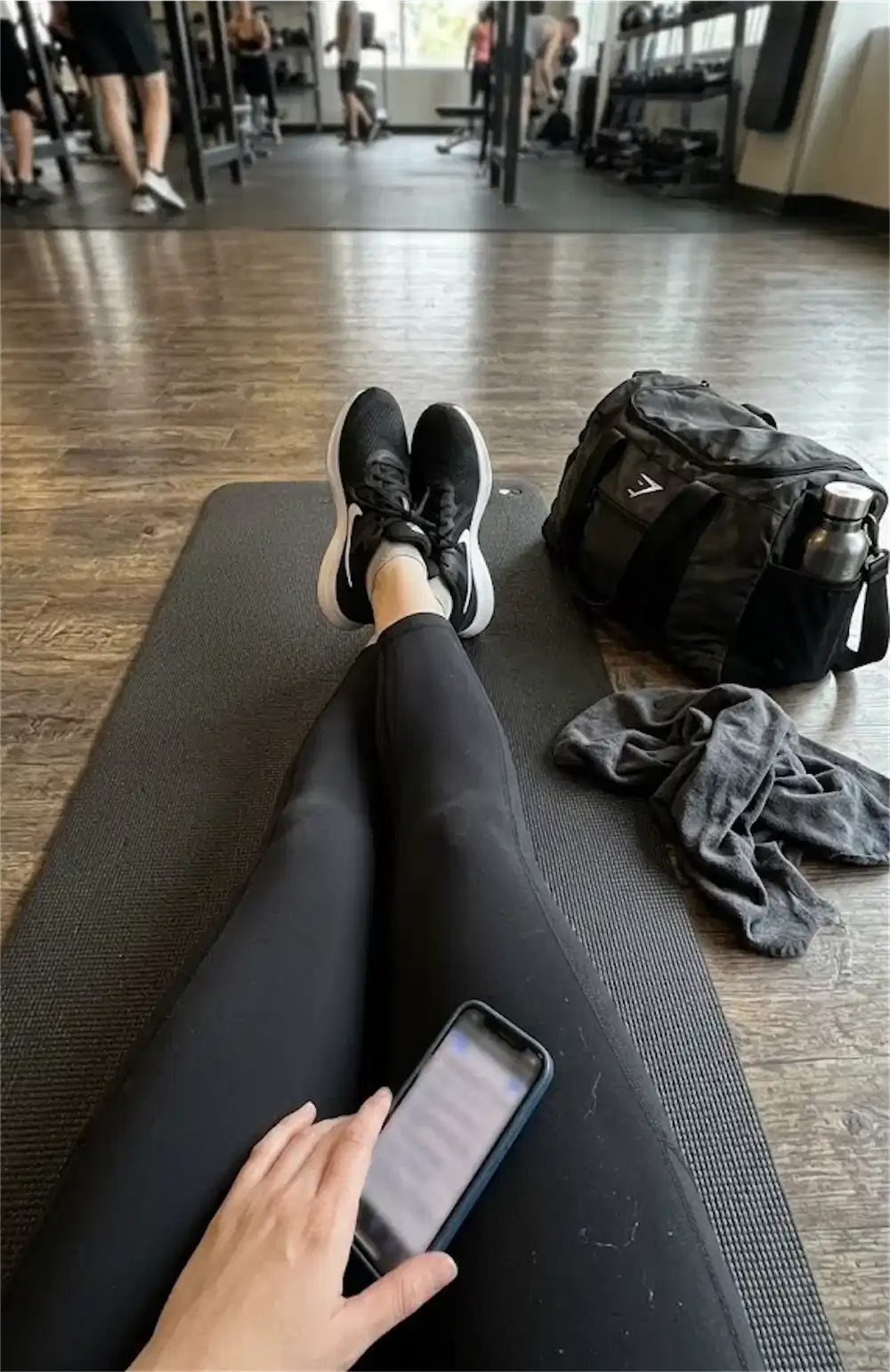
Trauma gets stuck in your muscles, your fascia, your nervous system. You can’t think your way out of a body that’s holding 12 years of fear. Put on music. Move however feels right. Shake. Sway. Let your body discharge what talk therapy can’t touch.
I wrote about this connection between exercise and breaking trauma bonds because it was honestly one of the most underrated tools in my recovery.
5. The Medicine of Silence: Reclaiming Your Inner Voice
In narcissistic relationships, silence is weaponized. The silent treatment. The cold withdrawal. I associated quiet with punishment. But ancestral wisdom teaches that silence is where you hear yourself again.
Start with five minutes. No music, no podcasts, no distractions. Just you and the quiet. At first, it’ll feel uncomfortable, maybe even panicky. That’s your nervous system remembering the toxic silence. But keep going. The silence that heals is different—it’s full, not empty.
Monks, mystics, and indigenous wisdom keepers have always known: you can’t hear your intuition over constant noise. And after narcissistic abuse, your intuition is the first thing you need to rebuild.
6. Herbal Allies: Plants That Support Nervous System Recovery
Before pharmaceuticals, we had plants. I’m not suggesting you throw away your prescriptions—medication saved me during the worst months. But adding traditional nervines (herbs that support the nervous system) gave me something modern medicine doesn’t always provide: agency.
Chamomile, lemon balm, passionflower, ashwagandha—these aren’t cure-alls, but they’re what our great-grandmothers reached for when the world felt too sharp. I keep a variety of calming teas on hand now, not as escape, but as gentle support.
Always check with your doctor, especially if you’re on medication. But reclaiming these old allies can be part of remembering that your body knows how to heal—it just needs the right conditions.
7. Storytelling as Healing: Why Your Narrative Matters
Every culture on earth heals through story. Elders shared cautionary tales. Survivors bore witness. Narratives gave shape to chaos. After I left, I couldn’t make sense of what happened. My ex’s version of events (where I was the abuser, the crazy one, the problem) lived in my head rent-free.

Writing my story—the true one—changed everything. Not for publication, just for me. I used morning pages to let the truth spill out without filter. No one had to read it. But I had to write it.
Your story doesn’t have to be perfect or polished. It just has to be yours. Grab a guided journal if blank pages feel too intimidating.
8. Community Circles: You Cannot Heal in Isolation
Narcissistic abuse isolates you. By the end of my relationship, I had no close friends, no hobbies, no community. I thought I could recover alone because asking for help felt too vulnerable.
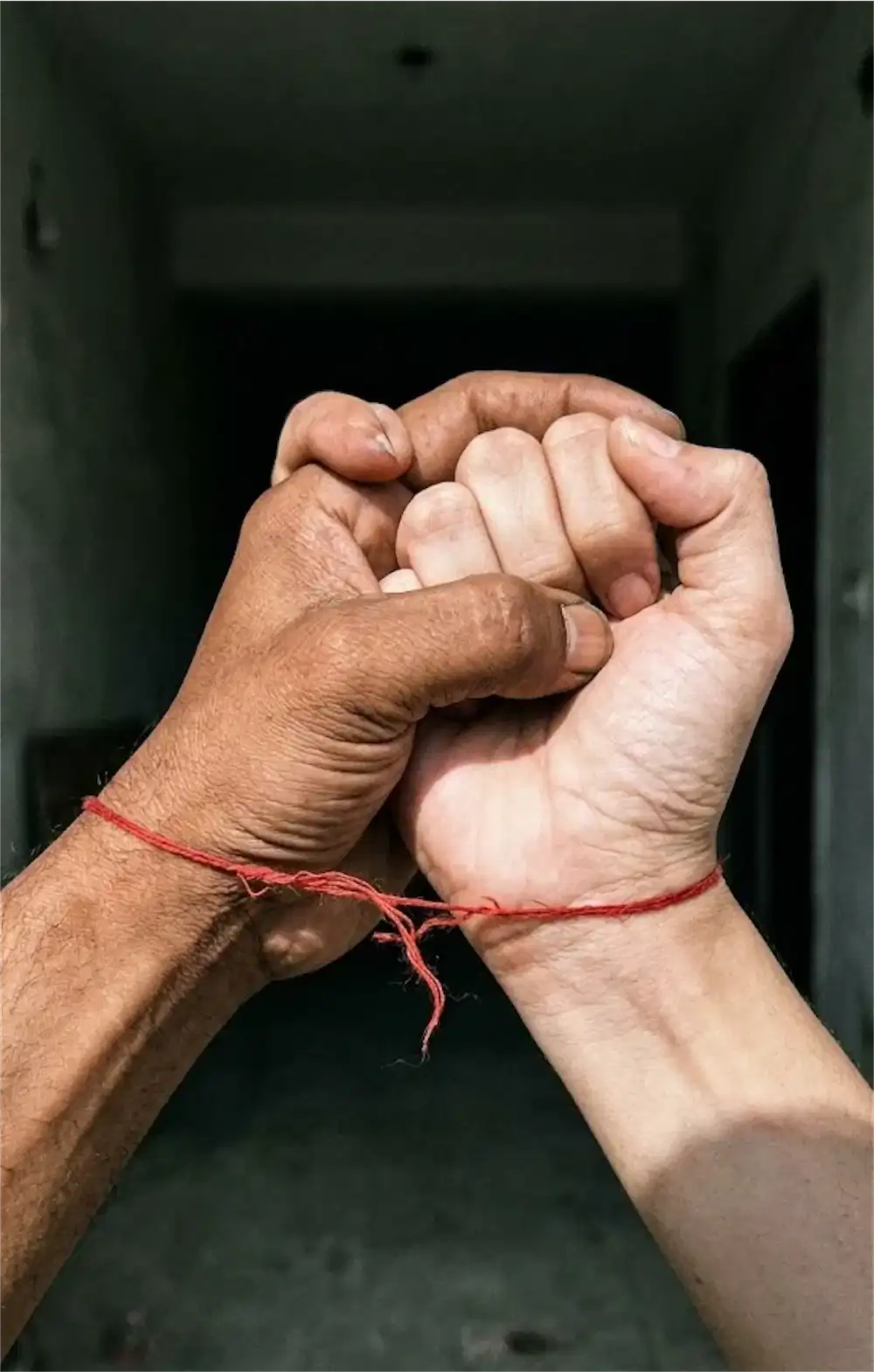
But ancestral wisdom is clear: humans heal in connection. Not just any connection—safe, boundaried, mutual connection. Whether it’s a support group, a trusted friend, or a trauma-informed community, you need witnesses to your recovery.
I found mine in a support group for people recovering from BPD relationships. Hearing others say “me too” broke the spell of isolation faster than any self-help book.
9. Lunar Rhythms: Honoring Natural Cycles of Rest and Release
Our ancestors didn’t have electric lights or 24/7 productivity culture. They lived by the moon, the seasons, the sun. During my relationship, I pushed through exhaustion constantly, performing normalcy even when I was falling apart inside.
Recovery taught me to honor cycles again. New moon for intention setting. Full moon for release. Menstrual cycles (if applicable) as maps of energy ebbs and flows. This isn’t astrology—it’s noticing that your body isn’t designed to operate at the same intensity every single day.
Give yourself permission to rest without productivity. To release without achieving. To simply be in whatever phase you’re in.
10. Sacred Boundaries: The Ancient Art of Saying No
Every functional tribe, village, and community had boundaries. Who belongs, who doesn’t. What’s acceptable, what isn’t. Not as cruelty, but as survival. Codependency taught me that boundaries were mean, selfish, cold.
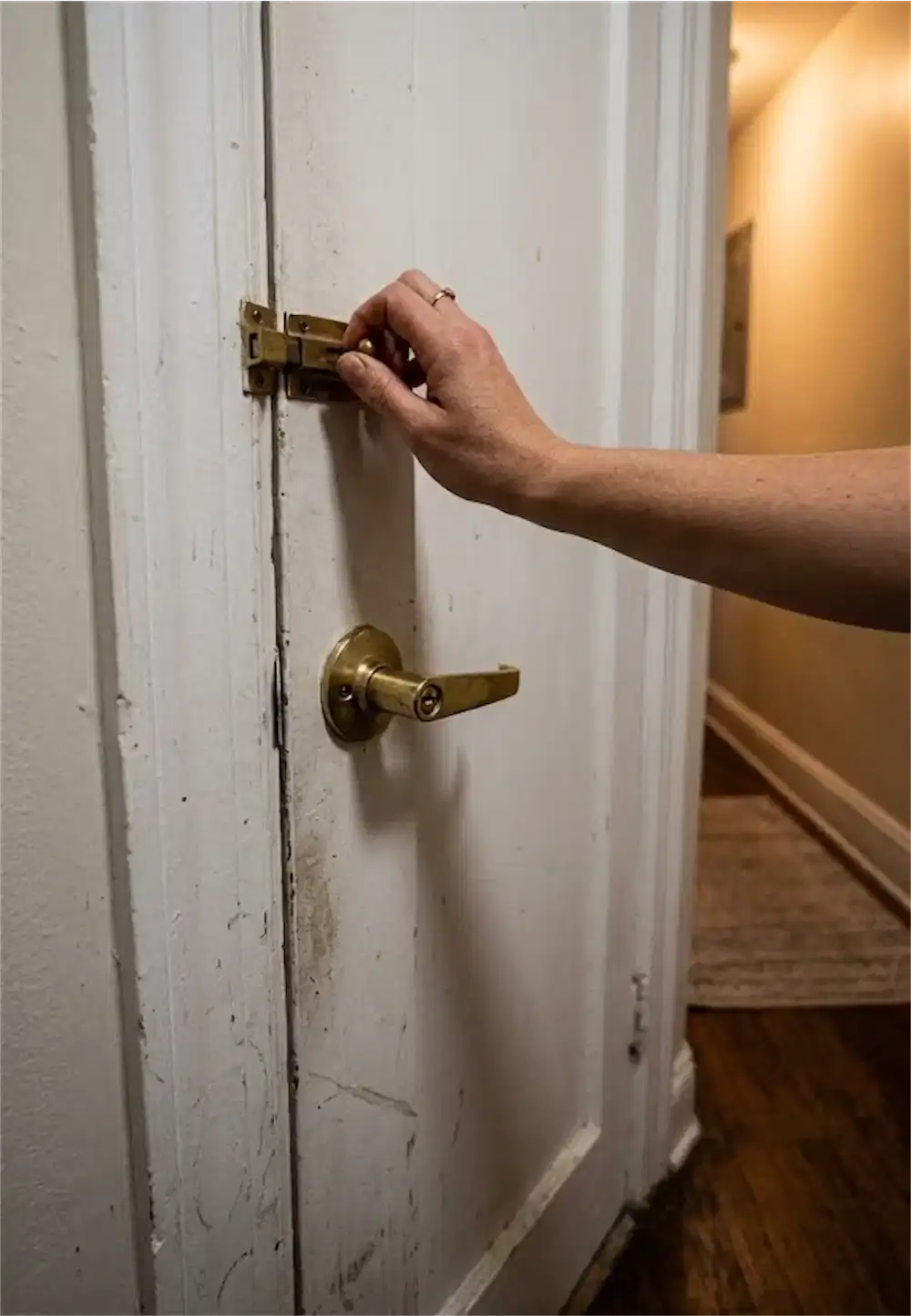
But boundaries are love. They’re the fence around your garden that lets healthy things grow and keeps predators out. Learning to say no—without explanation, without guilt—was the most ancestral practice I reclaimed.
If you’re struggling with this, I highly recommend diving into overcoming codependency. It’s where boundary work really begins.
11. Elder Wisdom: Learning from Those Who’ve Walked the Path
Traditional societies revered elders because they carried lived experience. Modern culture worships youth and dismisses the wisdom of survival. I found my “elders” in books, podcasts, and support groups—people 5, 10, 20 years ahead in recovery.
Their stories gave me hope when research papers felt too clinical. Dr. Ramani Durvasula, Dr. Ross Rosenberg, Pete Walker—these became my guides when I couldn’t see the path ahead. Reading about someone else’s 12-year journey reminded me I wasn’t uniquely broken.
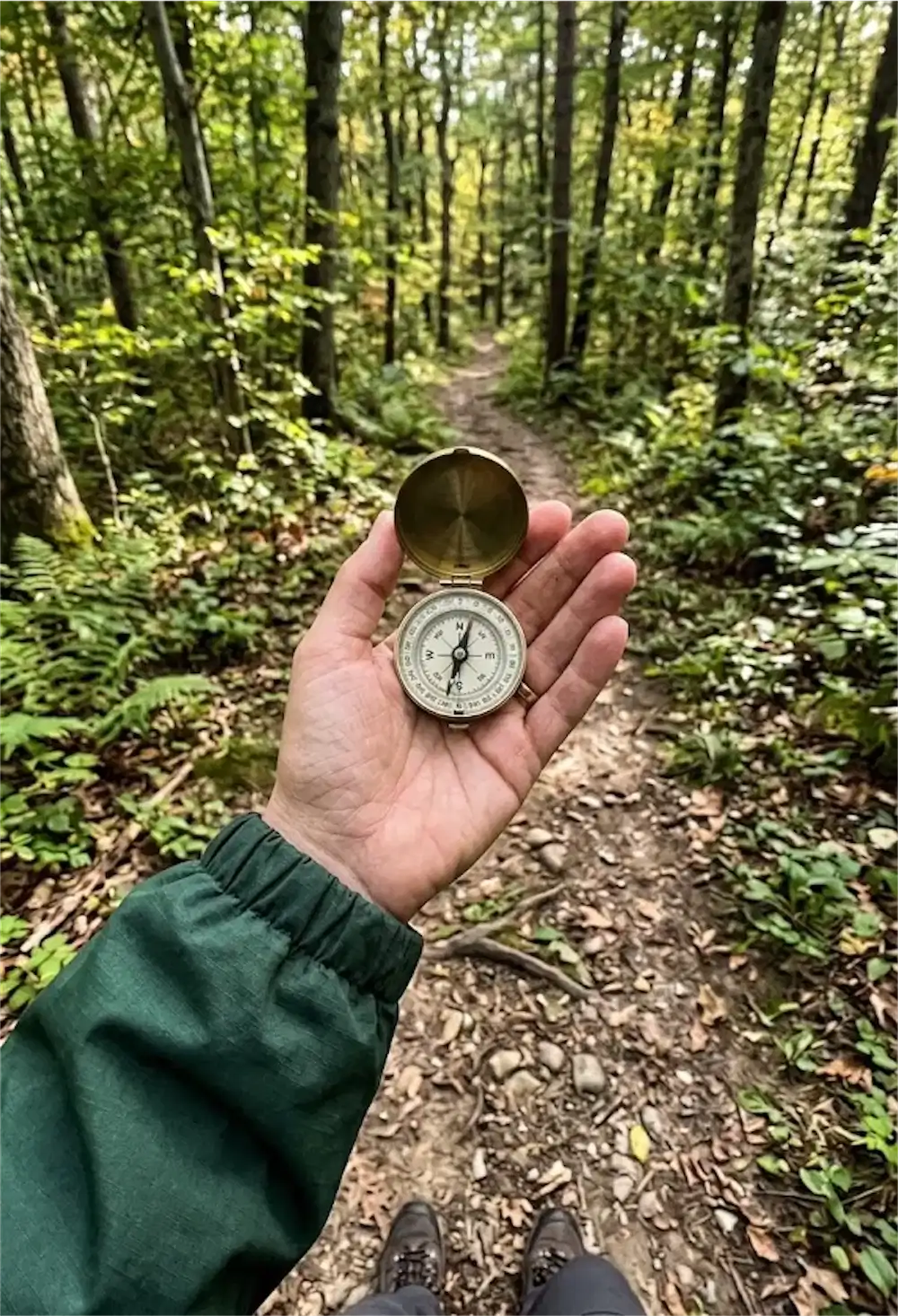
Find your elders. Follow their breadcrumbs. You don’t have to reinvent the map.
12. Seasonal Living: Accepting That Healing Has Winters Too
Agriculture-based ancestors understood that not every season is for growth. Winter is for rest, composting, going inward. But trauma recovery culture often pushes constant progress—if you’re not healing faster, you’re failing.
Some weeks I had massive breakthroughs. Other months I felt like I’d regressed completely. Both were necessary. Both were part of the cycle. Nature doesn’t apologize for winter, and neither should you.
Your nervous system needs seasons of rest to integrate what it’s learning. If you’re in a winter phase right now, that’s not failure. It’s wisdom.
13. Ancestor Reverence: Healing the Patterns You Inherited
This one hit hard during therapy. Why did I accept treatment that would’ve horrified my grandmother? Because somewhere in my lineage, survival meant accepting the unacceptable. Maybe your great-grandmother stayed with a cruel husband because she had no other option. Maybe your grandfather learned that love equals control.
I’m not a therapist, but Internal Family Systems therapy taught me that we carry these patterns forward until someone stops and says “not anymore.”
Honor your ancestors by breaking the cycle they couldn’t. That’s not betrayal. That’s completion of their unfinished healing. Understanding childhood trauma patterns can illuminate which ancestral wounds you’re carrying.
14. The Practice of Presence: Bringing Your Attention Home
Meditation isn’t new. Contemplative practice shows up in every major tradition because it works. But during my relationship, I lived entirely in my head—analyzing, predicting, trying to stay three steps ahead of the next blow-up.
Coming back to my body, to the present moment, felt like learning to walk again. I started with breath work. Just noticing inhale, exhale. Nothing fancy. When my mind spiraled to “what if he contacts me” or “why didn’t I leave sooner,” I’d return to breath.
Presence is the opposite of hypervigilance. It’s the antidote to living in constant future threat. Your body can only heal when it knows the danger has passed—and it learns that through present-moment awareness.
15. Radical Simplicity: Returning to What Actually Matters
Our ancestors lived with less stuff, fewer distractions, clearer priorities: food, shelter, community, meaning. Narcissistic relationships complicate everything. There’s constant drama, chaos, complexity.
Recovery for me meant radical simplification. I deleted social media for six months. I stopped explaining myself to people who didn’t deserve explanations. I focused on basics: sleep, food, movement, safety.
Ancestral wisdom asks: what do you actually need to survive and thrive? Strip away everything else until you remember who you are underneath the performance. That’s where healing begins.
Understanding why no contact works is part of this simplification—removing the source of chaos so you can hear yourself again.
Bringing Ancient Wisdom into Modern Recovery
None of these practices are quick fixes. Our ancestors didn’t heal in 30-day challenges or weekend workshops. They healed through consistent, embodied practice over seasons and years.
What makes these tools powerful isn’t their novelty—it’s their track record. Humans have been surviving relational trauma, rebuilding after betrayal, and reclaiming their power for thousands of years using these exact methods.
You don’t need to do all 15 at once. Pick one. The one that resonates in your body, not just your mind. Try it for a week. Notice what shifts. Then add another. Layer them slowly, the way you’d tend a garden after a harsh winter.
Your recovery doesn’t have to look like anyone else’s. But it will require you to trust something older and deeper than the modern self-help industry: the wisdom of survival that lives in your bones.
Recommended Resources
- The Body Keeps the Score by Bessel van der Kolk – Essential reading on how trauma lives in your body and how ancestral practices like movement and connection facilitate healing.
- Women Who Run With the Wolves by Clarissa Pinkola Estés – A deep dive into reclaiming your wild, instinctual self through storytelling and archetypal wisdom.
- Traditional Smudging Kit – For those drawn to smoke cleansing rituals as a way to mark energetic boundaries and new beginnings.
- Our Recommended Books Page – A curated list of books that helped me rebuild after 12 years of narcissistic abuse.
- Recovery Tools – Practical resources combining modern psychology with time-tested healing practices.
The path out of narcissistic abuse isn’t linear, and it isn’t new. You’re walking a road millions have walked before you. Trust the wisdom that got them through. Trust that it will get you through too.

Meet Your Guide
Helen Brooks
After surviving a 12-year NPD/BPD relationship, I dedicated over a decade to studying trauma bonding and nervous system recovery. My mission is to help you break free from the fog and reclaim your authentic self.
Ready to break the trauma bond and reclaim your life?