Evening Routine for Anxiety: 7 Habits for Post-Trauma Insomnia
For twelve years, I lived in a state of constant alert. My relationship with a partner who had both narcissistic and borderline traits meant that my bedroom was never a place for rest. It was where the “silent treatment” felt loudest and where the late-night interrogations happened. When I finally escaped, I thought the sleep would come naturally. Instead, I found myself staring at the ceiling, my heart hammering against my ribs for no reason at all.
If you are struggling with post-trauma insomnia, you are not broken. Your body is simply trying to protect you from a danger that isn’t there anymore. You might be experiencing emotional withdrawal, which feels like a physical detox from the person who hurt you. After a decade of walking on eggshells, your nervous system does not know how to turn off.
I spent months feeling like a shell of my former self, isolated and exhausted. It was only through therapy and learning about trauma bonds that I realized I needed to teach my body it was safe. Do you find yourself replaying old arguments as soon as the lights go out? Here are the seven habits that helped me reclaim my nights and finally find peace.
Restoring Safety in Your Physical Space
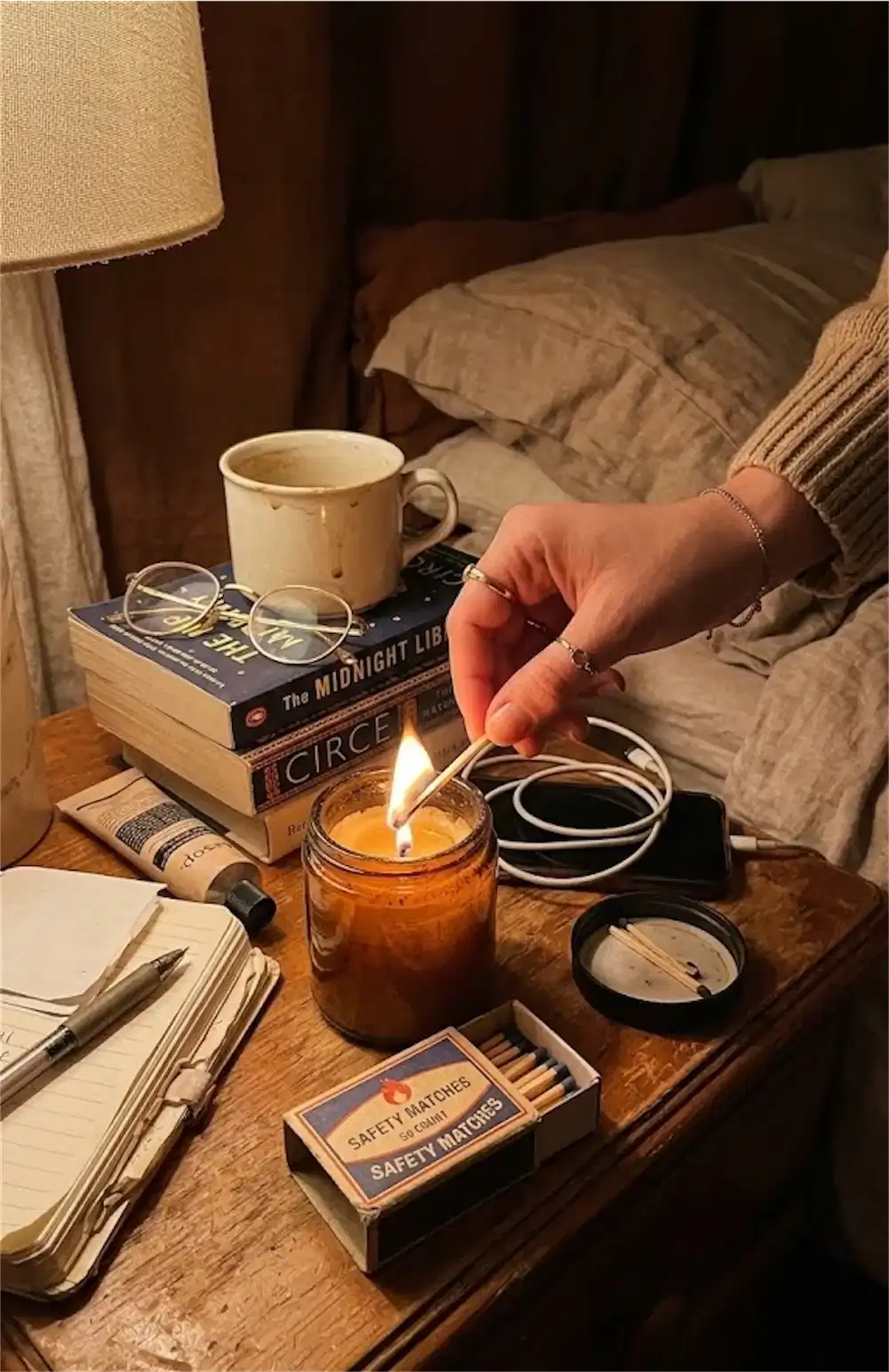
Your brain associates the bed with the hypervigilance you felt during the relationship. When I was with my ex, I used to wait for the sound of his key in the door, wondering if he would be “good” or “bad” that night. To fix this, you have to change the sensory input of your room. Start by adding things that ground you in the present moment, rather than the painful past.
I started using low-light lamps and scents like lavender or cedarwood. This signals to your survival brain that the environment has changed. It is no longer the room where you were gaslit or devalued. You are creating a new sanctuary where only you have the keys. Have you tried changing your bedding or rearranging your furniture to break the old visual triggers?
Another helpful tool I found was using weighted blankets for trauma. The deep pressure helps calm the nervous system, making you feel “held” in a way that is safe and controlled. It mimics the feeling of a hug without the complicated emotions attached to a toxic partner. This was a total game-changer for my middle-of-the-night panic attacks.
The Digital Boundary Habit
After a breakup with a narcissist, the urge to check their social media is overwhelming. We call this “pain shopping.” I used to spend hours looking for clues about who he was with or if he looked as miserable as I felt. This kept my cortisol levels through the roof right before bed. To heal, you must implement a strict digital detox at least two hours before sleep.
Put your phone in another room or a drawer. If you are worried about “hoovering,” where they try to suck you back in with a random text, block their number. Seeing their name pop up on your screen can trigger trauma bond withdrawal symptoms that will keep you awake all night. Your peace is worth more than the temporary “hit” of seeing their face online.
Instead of scrolling, try reading something that helps you understand what you went through. Reading about codependency or narcissistic traits helped me realize that the “discard” was not about my worth. It was about their inability to love. Education is a form of protection, but make sure to stop reading heavy material an hour before sleep so your mind can settle.
Calming the Ruminating Mind
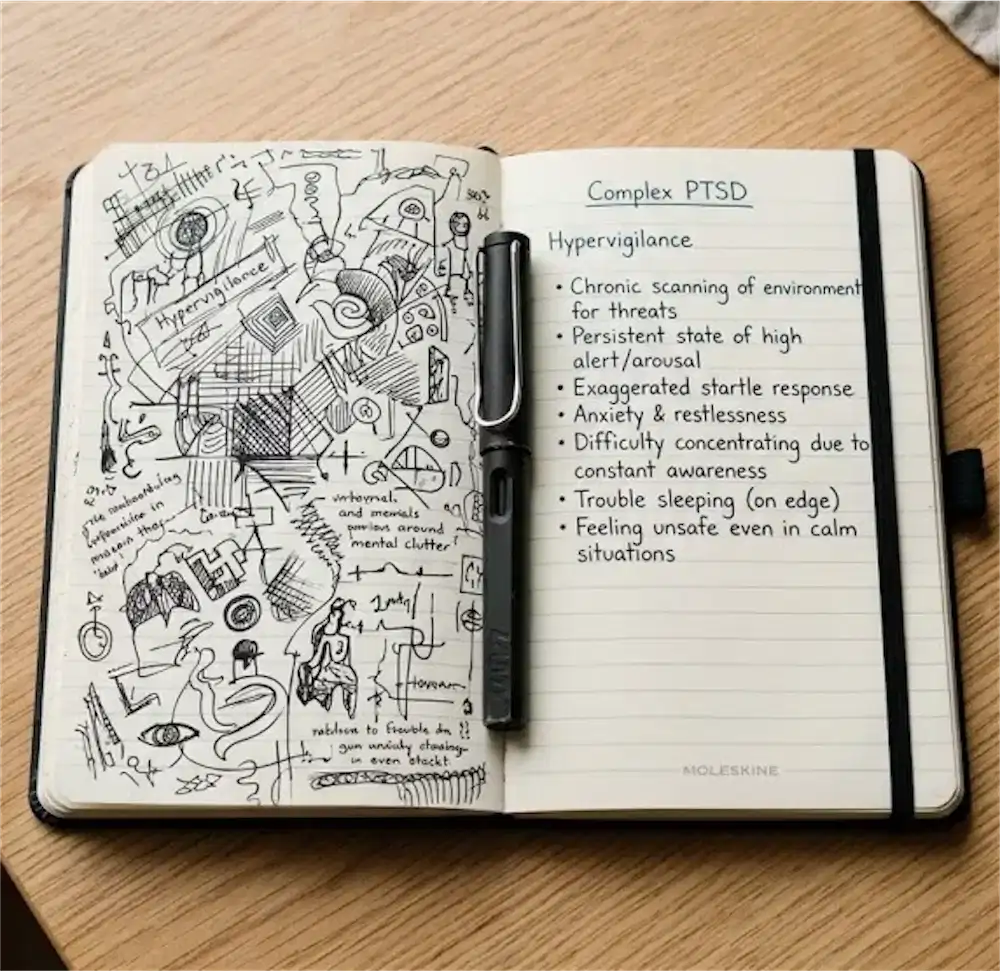
Rumination is like a hamster wheel in your head. You think, “If only I had said this,” or “How could they do that to me after 12 years?” This is your brain trying to solve a puzzle that has no logical answer. Narcissistic behavior is not logical, so you will never find the “missing piece” by thinking about it. You have to get those thoughts out of your body and onto paper.
I started a “brain dump” habit. Every night, I wrote down every angry, sad, or confused thought I had. I didn’t worry about grammar or making sense. I just let the ink flow. Once it was on the page, I felt like I didn’t have to carry it in my head anymore. It allowed me to move from a state of cognitive dissonance into a state of reality.
If you find your heart racing during this process, you can try vagus nerve anxiety exercises. Simple things like humming, deep belly breathing, or splashing cold water on your face can physically flip the switch from “fight or flight” to “rest and digest.” It tells your body that the war is over and you are finally safe at home.
Recovering from a long-term toxic relationship requires more than just time; it requires a structured plan to settle your frazzled nerves. If you feel like you are constantly on edge and jumping at every sound, the toolkit below offers the exact daily steps needed to ground yourself and finally stop the cycle of exhaustion.
Somatic Movement for Stress Release
Trauma is stored in the muscles. After 12 years of tension, my shoulders were permanently hiked up to my ears. Gentle somatic movement before bed helps release that stored energy. You don’t need a gym or a yoga mat. Just spend five minutes gently shaking your arms and legs or doing slow neck circles. It sounds silly, but it works.
Shaking is a natural way that animals release adrenaline after a threat. Since you have been in a “threat” state for a long time, your body needs to complete the stress cycle. When I started doing this, I noticed that the “jittery” feeling in my legs started to fade. I could finally lie still without feeling like I needed to run away.
Creating a Sensory Anchor
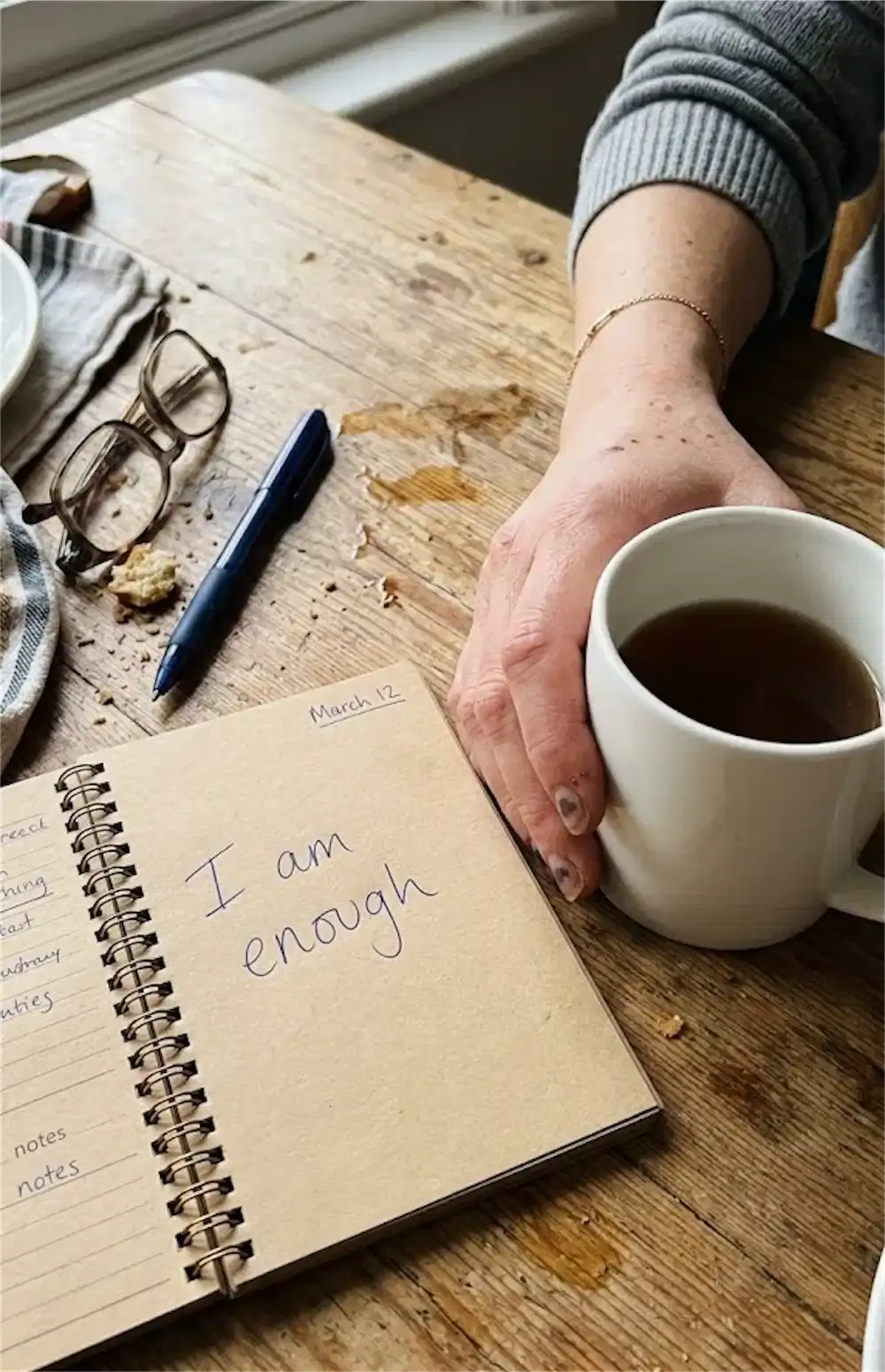
Choose one specific thing that you only do right before bed. For me, it was a specific herbal tea and a certain pair of soft socks. This becomes your “safety anchor.” Your brain begins to associate these sensations with the transition to sleep. It is a way of re-parenting yourself after years of being neglected or abused by a partner.
In my toxic relationship, I was always taking care of his needs, his moods, and his crises. I had no hobbies and no self-care rituals. Reclaiming my evening routine was the first step in finding my “original self” again. It felt like a small act of rebellion to focus entirely on my own comfort. What is one small thing you can do tonight just for you?
Audio Distraction to Drown Out the Echoes
Silence can be terrifying after trauma. In the silence, the voices of your abuser—the gaslighting, the insults, the blame—can feel very loud. I found that listening to “brown noise” or low-frequency soundscapes helped drown out those mental echoes. It provides a “buffer” for your brain so it doesn’t have to scan the environment for danger.
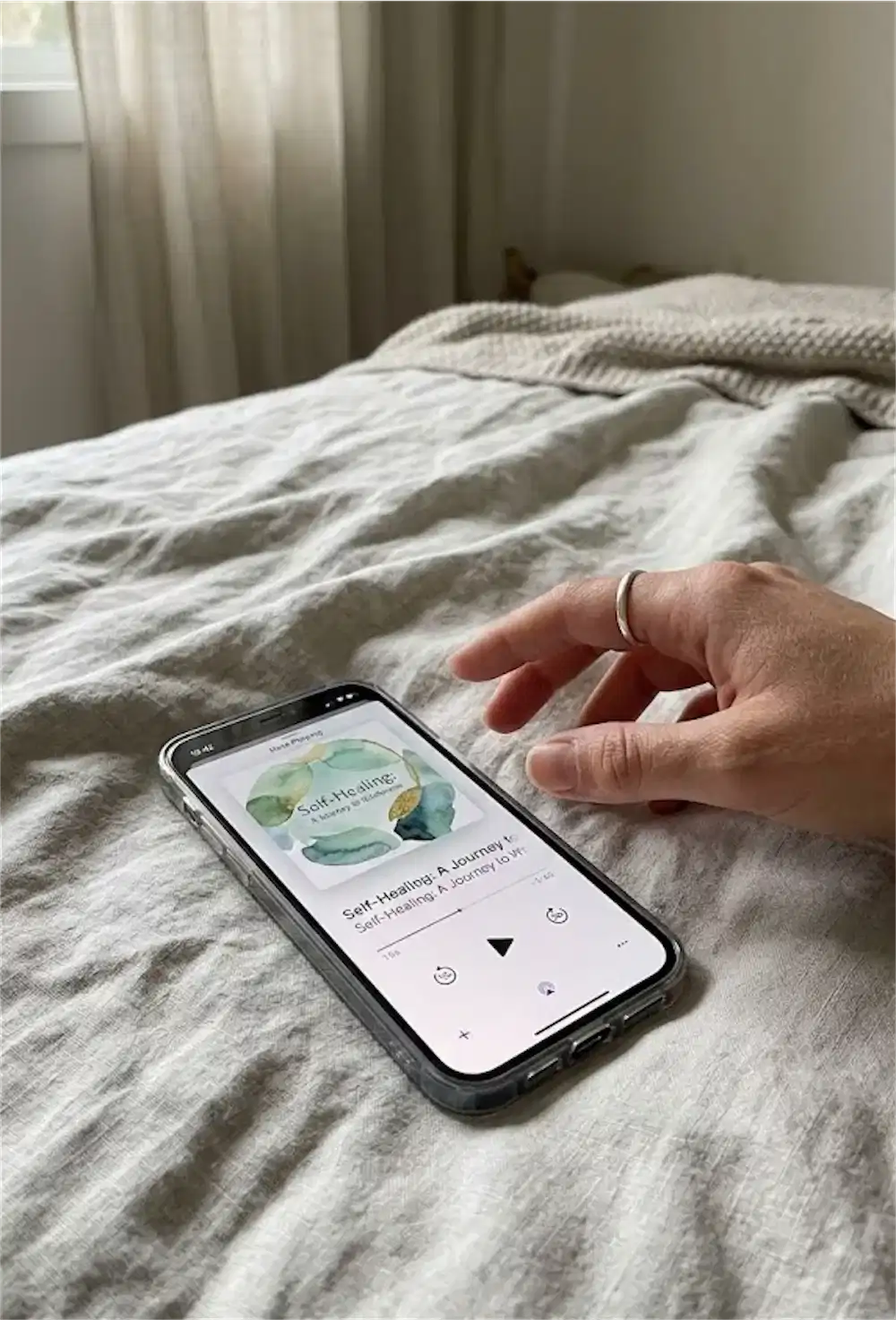
Avoid anything with a heavy plot or intense emotions. You want something steady and boring. Some people find success with sleep stories or guided meditations that focus on body scanning. This pulls your attention away from the “what ifs” of the past and puts it back into your physical body in the present moment. You are here. You are breathing. You are safe.
Forgiving Your Restless Nights
The biggest hurdle to sleep is often the anxiety about not sleeping. I used to get so angry at myself for being awake at 3:00 AM. I felt like he was still winning because he was sleeping fine while I was a wreck. But healing is not a straight line. Some nights will be harder than others, especially around anniversaries or “hoovering” attempts.
Be gentle with yourself. If you can’t sleep, get out of bed and do something quiet like folding laundry or coloring. Don’t punish your body for being on guard. It is just a very loyal soldier that hasn’t realized the war is over yet. With time and a consistent evening routine, those soldiers will eventually stand down and let you rest.
You have survived the hardest part already. The relationship is over, and the healing has begun. Reclaiming your sleep is a vital step in rebuilding your life and returning to the cheerful, optimistic person you were meant to be. If you need more practical tools to calm your mind and body, I highly recommend checking out The C-PTSD Recovery Toolkit for daily support.

Meet Your Guide
Helen Brooks
After surviving a 12-year NPD/BPD relationship, I dedicated over a decade to studying trauma bonding and nervous system recovery. My mission is to help you break free from the fog and reclaim your authentic self.
Ready to break the trauma bond and reclaim your life?