Yoga for Trauma Recovery: Poses to Release Stored Grief
Yoga for trauma recovery poses to release stored grief became my lifeline after I spent twelve years in a relationship defined by narcissistic and BPD abuse. When you have spent over a decade walking on eggshells, your body forgets how to relax because it is constantly bracing for the next outburst or discard. I remember feeling a permanent weight in my chest, a physical heaviness that no amount of sleep could fix. If you are searching for how to heal from a toxic relationship using your body, you are already realizing that talking about the pain is only half the battle. Have you noticed how your shoulders seem to live around your ears lately? That is your nervous system holding onto the history your mind is trying to process. Using a somatic trauma reset can help you finally let go of the tension that keeps you tied to the past.
My journey from a hollowed-out version of myself back to my original cheerful self did not happen in a therapist’s chair alone. I had to learn that stored grief and trauma bonds are not just thoughts; they are physiological imprints. After the breakup, I was isolated and miserable, but moving through specific shapes helped me unlock the emotions I had suppressed just to survive the daily chaos. This is about more than flexibility. It is about reclaiming the home you live in every single day.
Understanding Why Grief Gets Stuck in Your Muscles
When you live with a partner who has BPD or NPD traits, your body stays in a state of hypervigilance. You are always scanning for shifts in their mood, trying to predict the unpredictable. This chronic stress causes your psoas muscles and your chest to tighten as a protective measure. It is a biological survival mechanism, but when the relationship ends, the body does not always get the memo that the danger is gone.
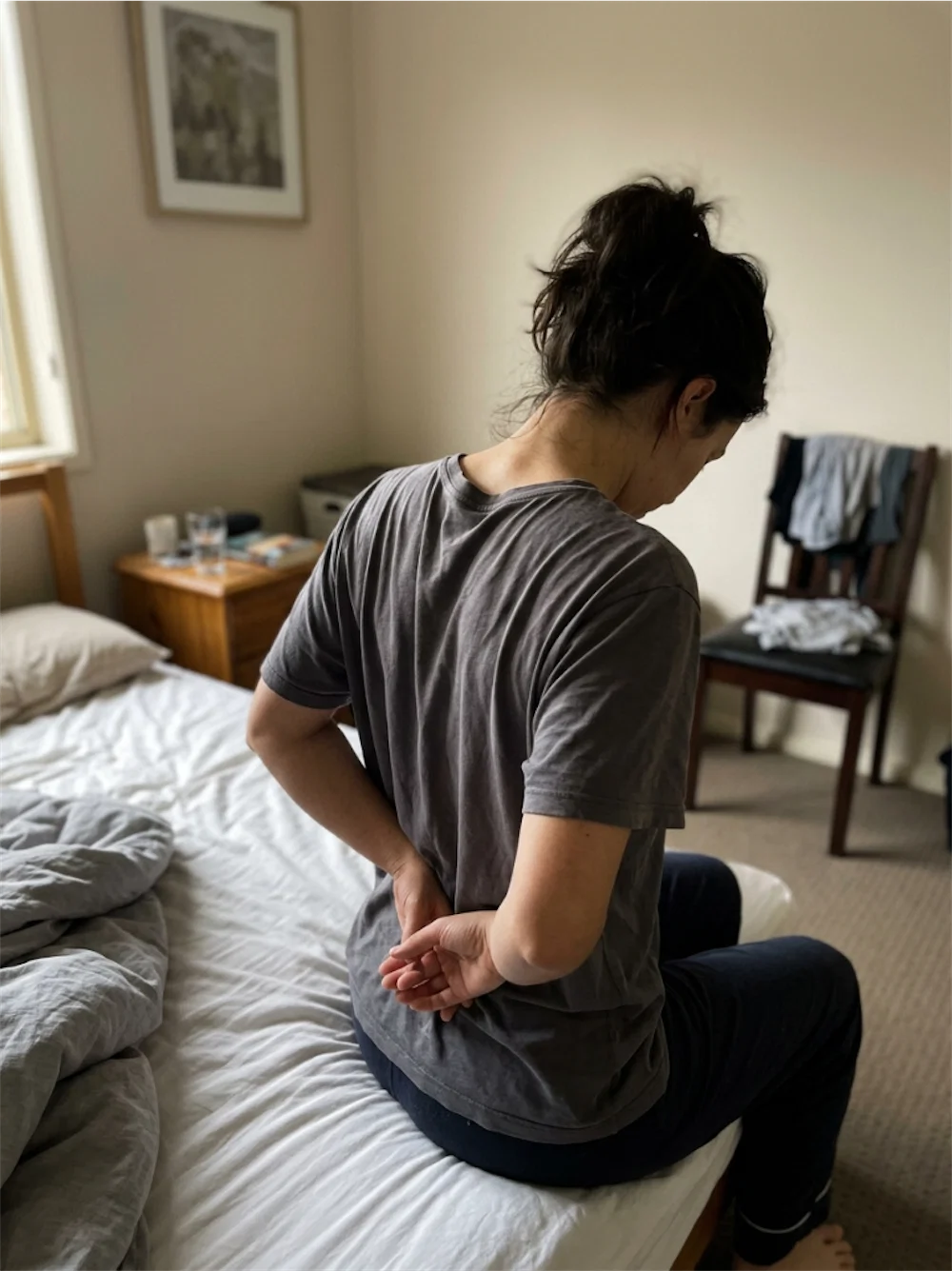
I spent years thinking my back pain was just from sitting at a desk, but it was actually repressed anger and grief from a decade of gaslighting. Gaslighting makes you doubt your own eyes and ears, and that confusion creates a massive amount of internal friction. Your body stores that friction as physical tension. Have you ever felt like you were carrying a literal backpack full of stones? That is what unresolved trauma feels like in the muscles. By using trauma-informed yoga, we are telling the body it is finally safe to set that backpack down.
Targeting the Hips to Release Emotional Pain
The hips are often called the junk drawer of the emotions. When we experience a fight-or-flight response, our primary instinct is to curl into a ball or run. Both of these actions involve the hip flexors. In a 12-year toxic relationship, I was effectively in a “pre-run” state for over four thousand days. It is no wonder that a somatic trauma hip release often triggers an unexpected cry. It is not just a stretch; it is a cathartic release.
Pigeon Pose (Eka Pada Rajakapotasana) is perhaps the most famous pose for this. To do this, bring your right knee toward your right wrist and let your right foot settle near your left hip. As you fold forward, you might feel a wave of sadness or even heat. That is the stored grief coming to the surface. I remember the first time I held this pose for three minutes; I sobbed for twenty. It felt like I was finally mourning the hobbies I lost and the friends I was forced to abandon during those twelve years of isolation.
Another vital movement is Child’s Pose (Balasana). This is a grounding pose that offers a sense of safety. After being discarded or dealing with hoovering tactics, your world feels unstable. Pressing your forehead to the mat and feeling the floor support you can help regulate your nervous system. It is a posture of surrender, but not the kind of surrender where you give up. It is the kind where you stop fighting against your own healing.
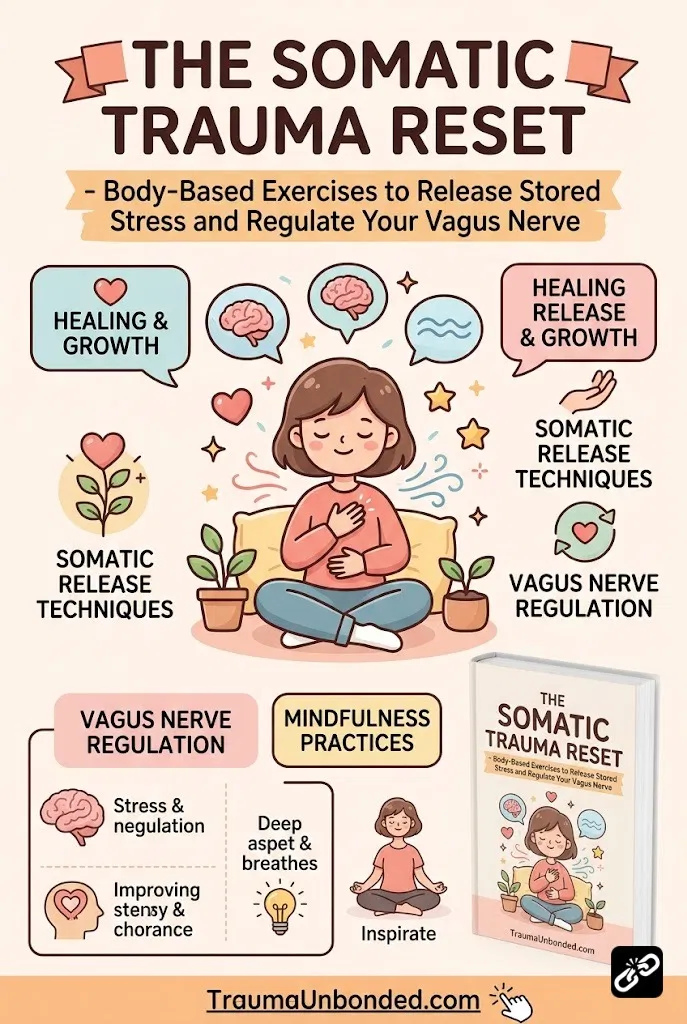
If your body still feels like it is stuck in a state of high alert long after the relationship ended, you need a structured way to signal safety to your brain. This specific tool helped me move past the “stuck” feeling and into a state of genuine peace.
Heart Openers to Rebuild Trust and Vulnerability
Betrayal trauma often leads to a physical “hunching” of the shoulders. We subconsciously protect our hearts by rounding our backs and closing off our chests. After years of emotional abuse, my posture was a reflection of my broken spirit. I felt small, invisible, and constantly defensive. Heart-opening yoga poses are essential for recovery from narcissistic abuse because they force you to take up space again.
Cobra Pose (Bhujangasana) is a gentle way to start. By lying on your belly and softly lifting your chest, you are telling your nervous system that it is okay to look forward. In my toxic relationship, looking forward usually meant anticipating another crisis. In this pose, you are simply looking forward at your own life. It helps reverse the physical effects of depression and anxiety that often follow a BPD breakup.
Bridge Pose (Setu Bandha Sarvangasana) is another powerful heart opener. It builds strength in the legs while opening the chest and throat. The throat is another area where we store trauma. How many times did you swallow your words to avoid a fight? How many times did you stay silent while being gaslit? This pose helps clear that energetic blockage, allowing you to find your voice again. Reclaiming your voice is a huge step in moving toward your original self.
Grounding and Vagus Nerve Regulation
One of the hardest parts of trauma-informed healing is dealing with flashbacks or rumination. You might be physically in your living room, but your mind is stuck in a fight from three years ago. Grounding poses help pull you back into the present moment. Using vagus nerve anxiety exercises during your yoga practice can dramatically speed up your recovery time.
Mountain Pose (Tadasana) sounds simple, but it is deeply effective. Stand with your feet hip-width apart and feel the weight of your body pressing into the earth. Visualize roots growing from your feet. After a relationship where your partner moved the goalposts every day, feeling “unmovable” is a revelation. I used to practice this for five minutes every morning just to remind myself that I was no longer a puppet for someone else’s emotional instability.
Legs Up The Wall (Viparita Karani) is the ultimate nervous system reset. It triggers the parasympathetic nervous system, which is the “rest and digest” mode. Most survivors of narcissistic abuse haven’t been in that mode for years. Lying on the floor with your legs resting against a wall for ten minutes can lower your cortisol levels and help with the insomnia that often plagues trauma recovery. It is a quiet way to tell your body that the war is over.
Consistency and the Path to Reclaiming Your Life
When I first started these yoga poses for grief, I felt like a fraud. I felt like I was just a broken person doing stretches on a mat. But slowly, the optimism I thought was gone forever started to return. I began to find interest in old hobbies again. I stopped obsessively checking my phone for a hoovering text. I realized that the trauma bond was losing its grip on my physiology.
Healing is not a linear process, and some days the stored grief will feel heavier than others. That is okay. The goal is not to be perfect; the goal is to be present. You spent twelve years living for someone else’s needs. Now, it is time to live for yours. Have you given yourself permission to be the priority today? Each breath you take on the mat is a boundary you are setting against the past.
If you want to go deeper into your body’s healing, I highly recommend checking out the Somatic Trauma Reset to provide you with a daily roadmap for regulation. You deserve to feel safe in your own skin again. You are not just a survivor; you are a person coming back to life, one pose at a time.
The Takeaway: Your body is the vessel that carried you through the fire of narcissistic and BPD abuse. By using trauma-informed yoga, you are cleaning out the ashes and making room for the cheerful, optimistic version of yourself that never truly left, but was simply waiting for the environment to become safe enough to reappear.

Meet Your Guide
Helen Brooks
After surviving a 12-year NPD/BPD relationship, I dedicated over a decade to studying trauma bonding and nervous system recovery. My mission is to help you break free from the fog and reclaim your authentic self.
Ready to break the trauma bond and reclaim your life?