Emotional Agoraphobia: Overcoming the Fear of Leaving Your House After Trauma
Are you struggling with a heavy, paralyzing fear of leaving the house after trauma? For years, I did not understand why opening my front door felt like stepping onto a battlefield. Having spent twelve years navigating a toxic relationship with a partner who showed severe traits of both NPD and BPD, my nervous system was completely shattered.
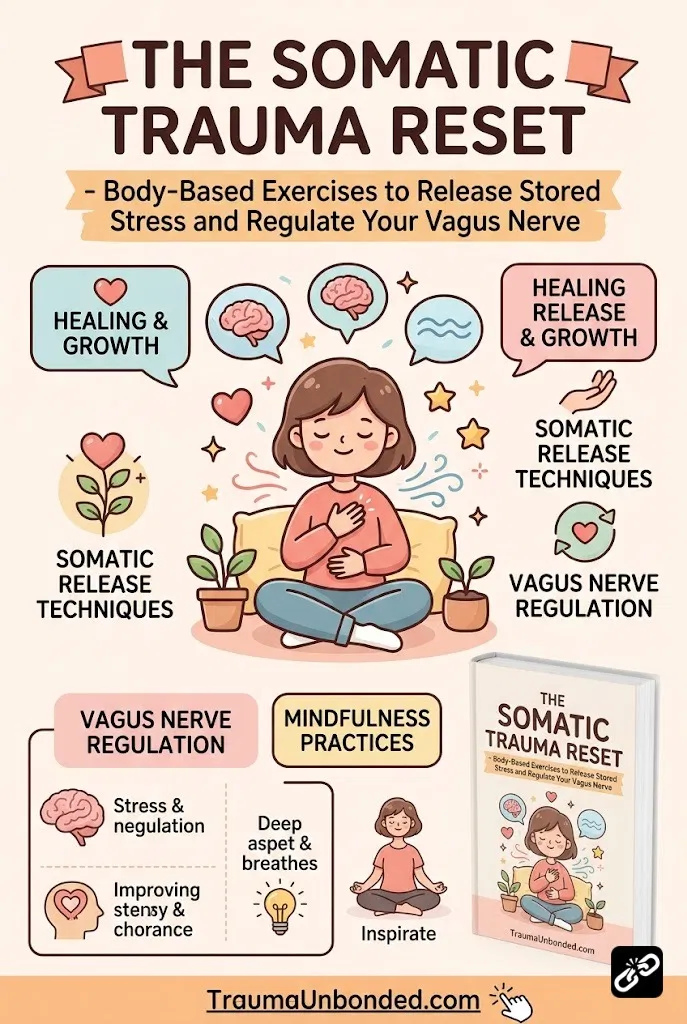
When the relationship ended, I did not just lose my partner; I lost my sense of safety, retreating into my bedroom as my safe haven. To begin reclaiming your life, you can explore the physical side of this freeze state with the Somatic Trauma Reset, which targets the stored biological panic holding you back.
This agonizing condition is known as emotional agoraphobia, a state where the outside world feels intensely threatening not because of a physical danger, but because of the emotional overload you carry inside. Your home becomes the only place where you do not have to put up emotional shields. Have you noticed how even the thought of going to the grocery store or walking down the street makes your chest tighten?
When you live in survival mode for over a decade, your brain gets wired to expect constant hostility and sudden attacks. The sudden lack of chaos after leaving a toxic partner actually shocks your body, causing it to shut down to protect itself. This is not laziness or weakness; it is a deep physiological response to severe stress.
What is Emotional Agoraphobia and Why Does Trauma Make You Hide?
Emotional agoraphobia is a trauma response where the home becomes a sanctuary to avoid sensory overload, judgment, and emotional triggers. It occurs when a chronically overwhelmed nervous system perceives the outside world as an active threat, causing a person to freeze and remain indoors to feel safe.
During my toxic relationship, I spent years constantly managing someone else’s volatile moods. I was walking on eggshells every single day, waiting for the next explosive argument or silent treatment. When I finally walked away, my mind was free, but my body was still trapped in that constant expectation of danger.
In this state, the public sphere represents unpredictability. Outside, you cannot control who you run into, how loud the environment is, or whether someone will look at you with judgment. Your home is the only controlled environment left, making it the ultimate shield against further pain.
Calming the Freeze Response: How Your Body Traps You Inside
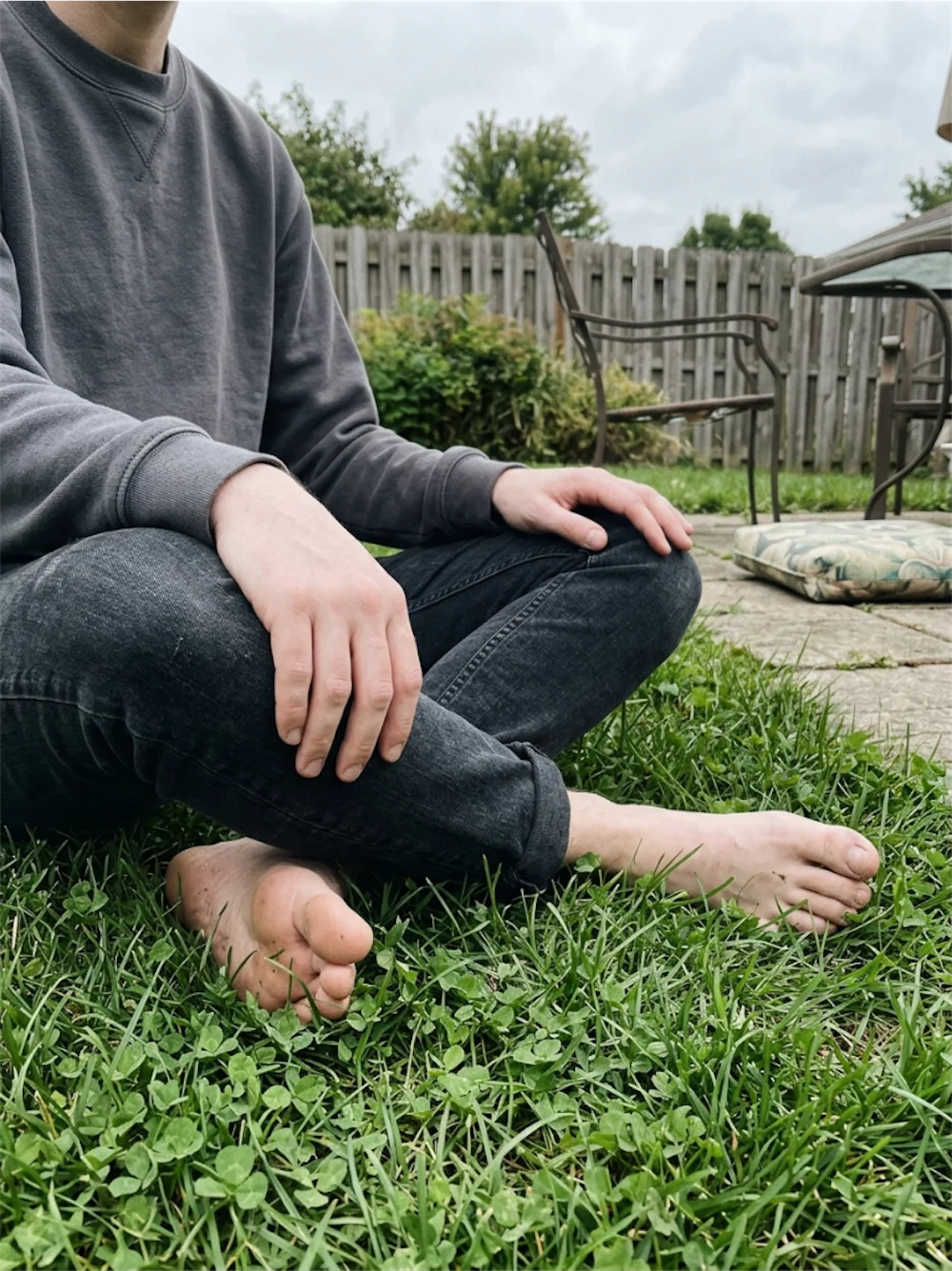
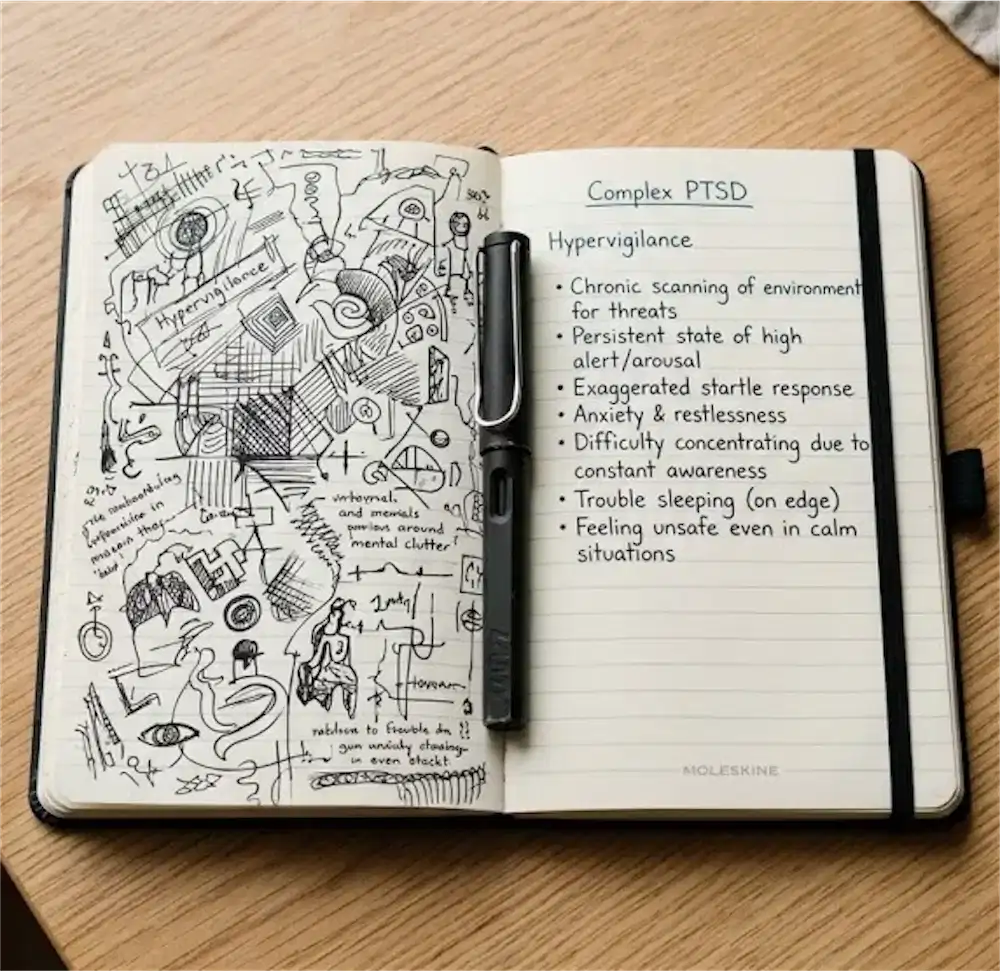
When your mind registers years of emotional abuse, your nervous system responds by selecting a survival strategy. For many survivors, the default state becomes the freeze response, which mimics a physical shutdown. This biological locking mechanism makes your limbs feel heavy and your motivation vanish whenever you contemplate stepping outside.
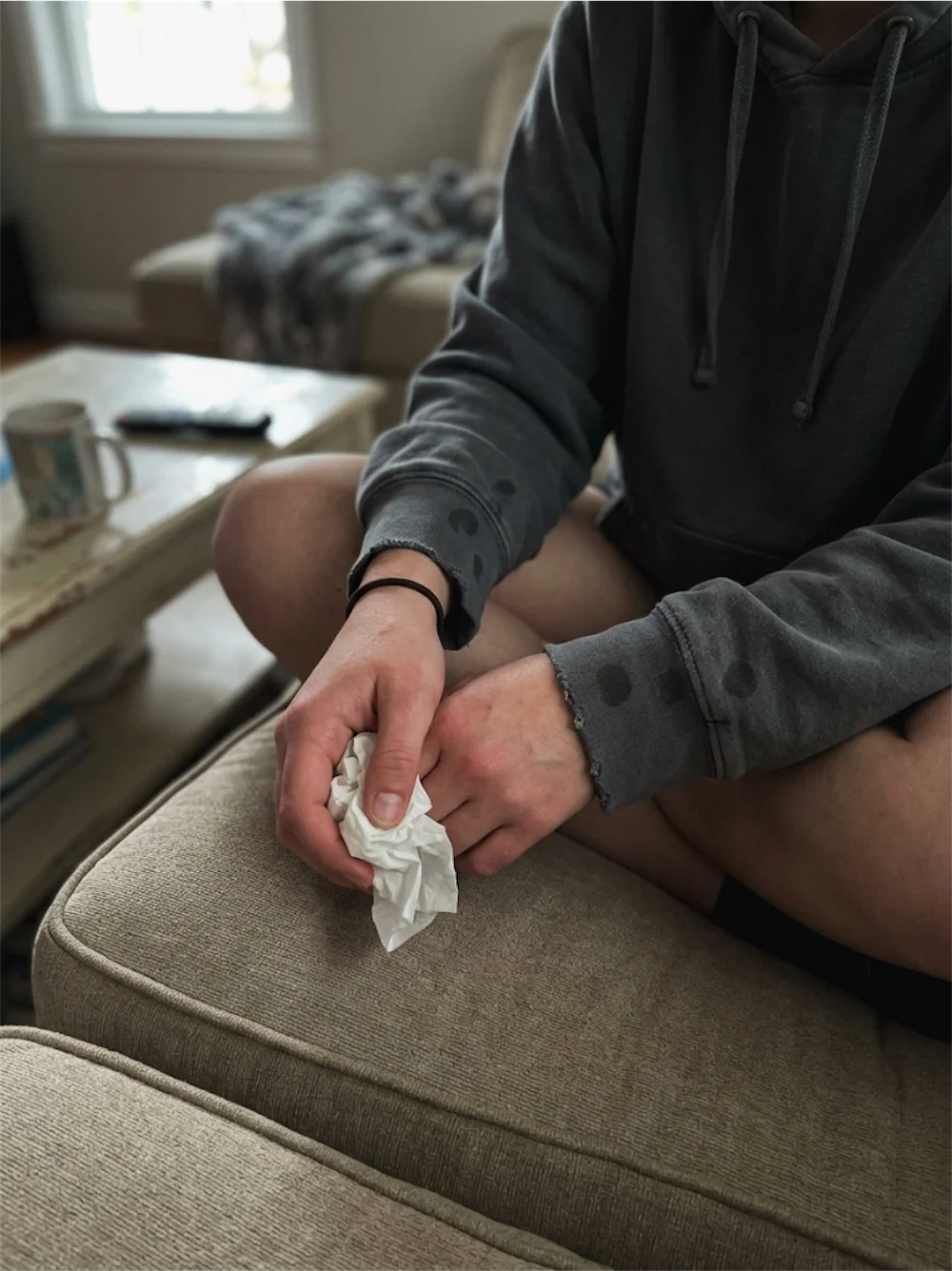
You might experience chronic fatigue, a foggy brain, or a physical resistance to moving toward the door. This is your nervous system attempting to keep you safe by keeping you hidden and still. It is a protective wall, but over time, this wall can turn your safe space into an emotional prison.
Understanding this process is the first step toward finding relief. You can learn more about managing this state by reading about how to exit survival mode trauma, which explains how to gently transition your body out of chronic defense states.
To help you gently coax your nervous system out of this frozen defensive loop, I developed a highly practical, body-based guide. It provides specific, easy daily routines designed to release the trauma stored deep inside your muscles without overwhelming your mind.
Practical Steps to Overcome the Fear of Leaving the House

Recovering from this level of isolation does not happen overnight, and you should not force yourself into crowded spaces immediately. The secret lies in micro-steps that signal safety to your brain. When I was at my worst, simply standing on my back porch for three minutes felt like climbing a mountain, but it was a crucial start.
Here are a few somatic and cognitive tools that can help you begin this transition:
- The Threshold Method: Stand at your open front door for just one minute. Focus on the sensation of the breeze on your skin and the solid floor beneath your feet before stepping back inside.
- Driveway Grounding: Walk to the edge of your driveway or your apartment hallway. Bring a comforting object, like a smooth stone or a warm cup of tea, to keep your senses anchored in the present.
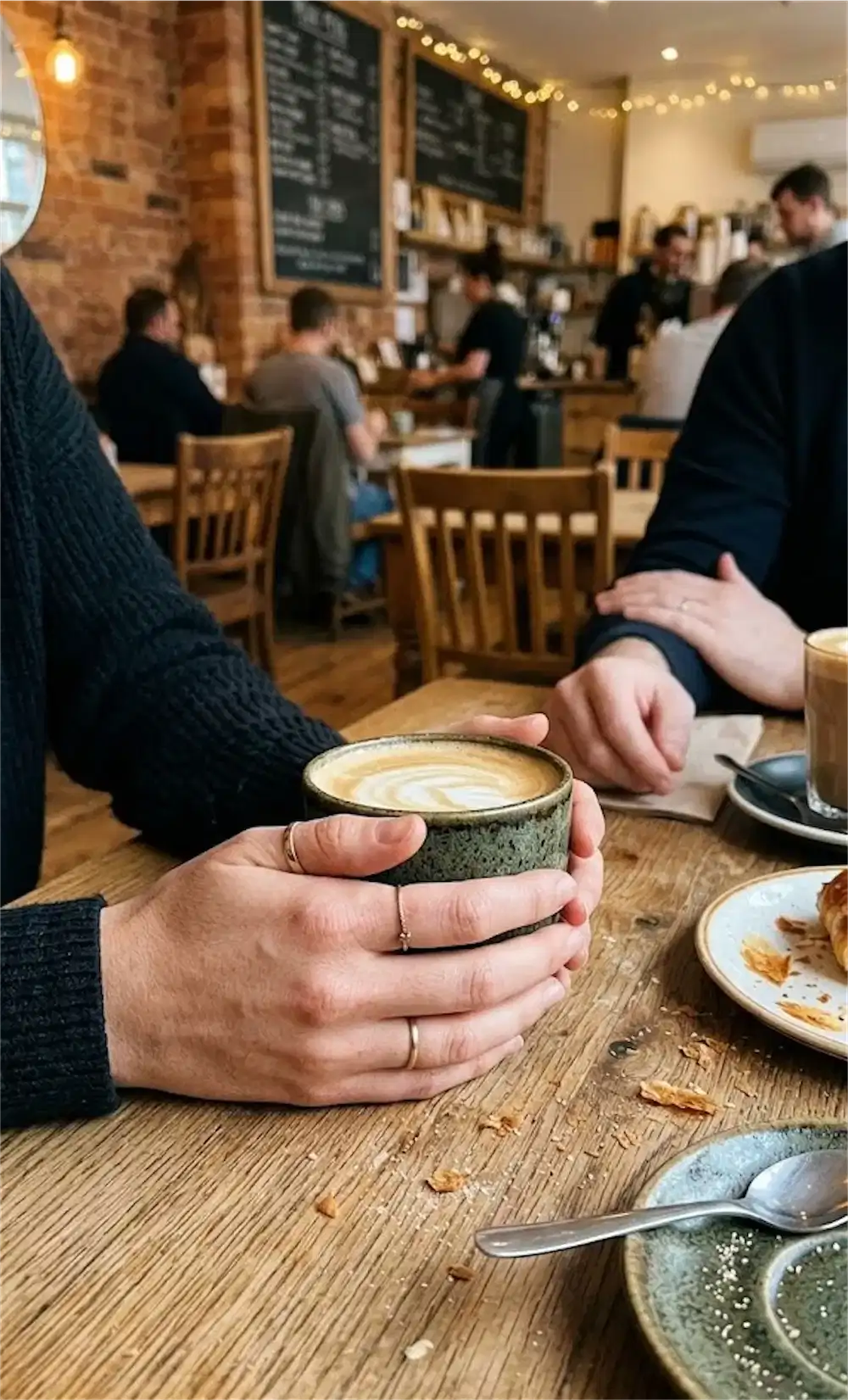
- Quiet Hour Outings: Plan very short trips during low-traffic hours. Visiting a quiet park or a small grocery store at 7:00 AM reduces the risk of sensory overwhelm.
If you find yourself experiencing a sudden wave of panic while attempting these steps, it is helpful to have structured tools ready. Knowing a few reliable cptsd grounding flashback techniques can help you steady your heart rate and remind your body that the danger is in the past.
Rebuilding Trust in the Outside World
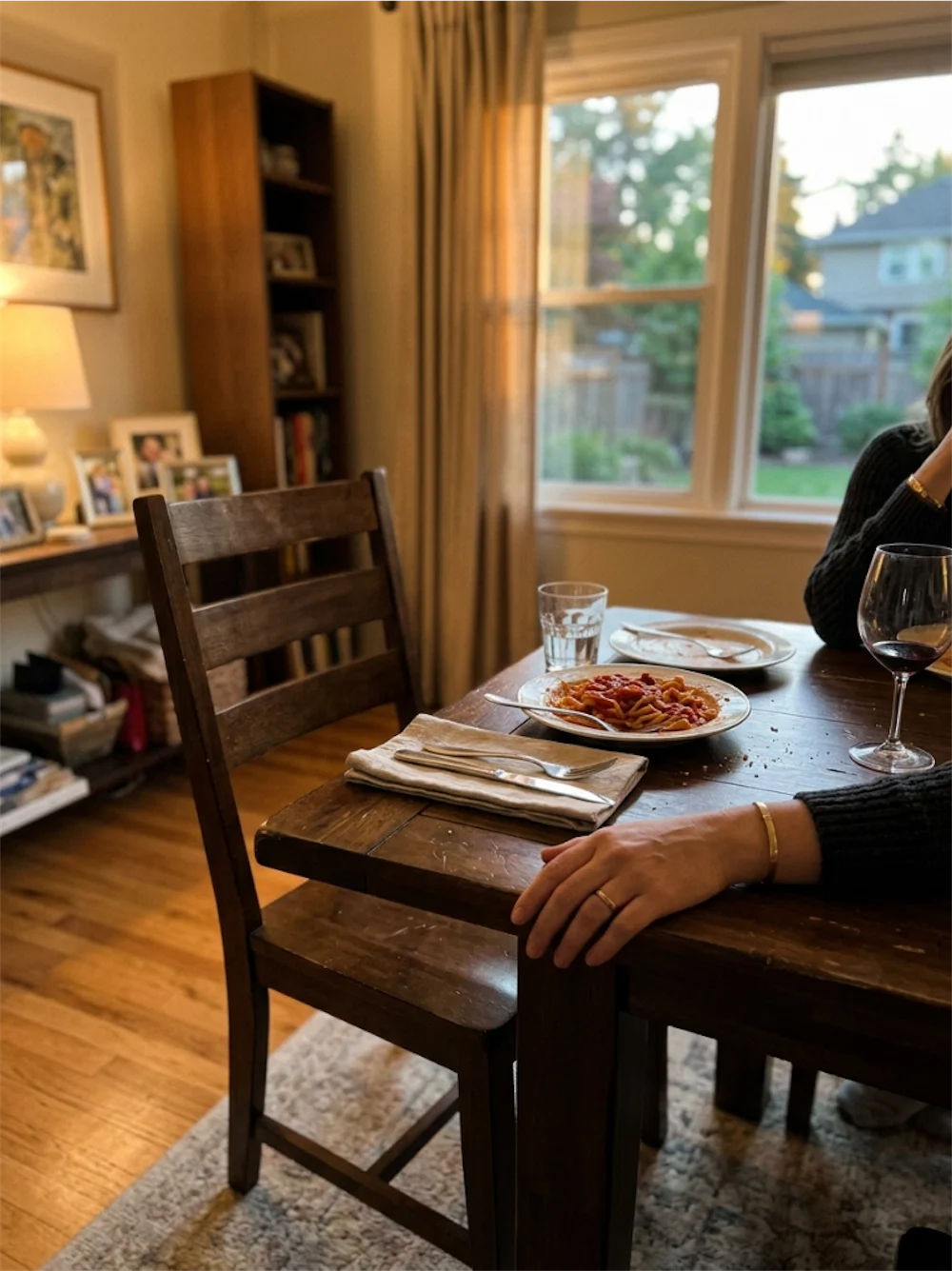
Living in isolation can make you feel disconnected from humanity. Part of the healing journey is realizing that the outside world is not populated entirely by toxic people. While your ex-partner may have trained you to expect hostility, most people you meet on a daily basis are simply living their own lives, completely indifferent to you.
According to Psychology Today, agoraphobia often involves a deep fear of experiencing panic in public spaces where escape feels difficult or embarrassing. Recognizing that a panic attack is a temporary wave of adrenaline, rather than a physical threat, helps take away its power over your movements.
As you slowly reclaim your physical freedom, you will also begin to reconnect with your personal interests and values. You will start to remember the person you were before the trauma dimmed your light. Taking these small steps outside is how you begin to reconnect with authentic self after abuse.
Please remember to be gentle with yourself as you navigate this path. Your world shrank to protect you, but you do not have to stay hidden forever. When you are ready to release the physical panic that keeps you locked indoors, the Somatic Trauma Reset is here to support you with every gentle step forward.

Meet Your Guide
Helen Brooks
After surviving a 12-year NPD/BPD relationship, I dedicated over a decade to studying trauma bonding and nervous system recovery. My mission is to help you break free from the fog and reclaim your authentic self.
Ready to break the trauma bond and reclaim your life?