8 Schema Therapy Concepts for Healing After a Narcissistic Relationship
After 12 years in a relationship with someone who showed strong narcissistic and BPD traits, I barely recognized myself. The constant criticism, gaslighting, unpredictable rage mixed with intense love bombing, and subtle hoovering left me isolated from friends, without hobbies, and convinced my life was permanently broken. I felt stuck in a trauma bond I didn’t even have a name for. Professional therapy, learning about codependency, and specifically schema therapy were what finally helped me reclaim my original cheerful, optimistic, and grounded self.
If you’re recovering from narcissistic abuse, you probably know that surface-level advice only goes so far. Schema therapy gave me a practical framework to understand why I was drawn into and stayed in such a toxic dynamic and how to heal the deep patterns that kept me trapped. Here are the 8 schema therapy concepts that made the biggest difference in my healing journey. These aren’t abstract ideas. They are tools I still use years later.
1. Identifying Early Maladaptive Schemas
Early maladaptive schemas are deep, lifelong patterns that develop in childhood when core emotional needs aren’t met. In simple terms, they are the negative stories we tell ourselves about who we are and how the world works. In my 12-year relationship, several schemas were constantly triggered: feeling like I had to earn love, that I was somehow defective, and that expressing my needs would lead to abandonment or rage.
Schema therapy helped me map these out instead of just treating surface symptoms. Many survivors of narcissistic relationships discover schemas in the Disconnection and Rejection domain. Recognizing them was the first step toward stopping the cycle. As I shared in my article on lessons from 12 years with a narcissist, these patterns often trace back to childhood dynamics that made us vulnerable to toxic attraction.
2. The Defectiveness/Shame Schema
This schema involves feeling fundamentally flawed, unworthy, or unlovable. My ex reinforced it daily with criticism that seemed small but chipped away at my self-worth until I believed I deserved the treatment. The shame kept me from leaving sooner and made me hide my pain from others.
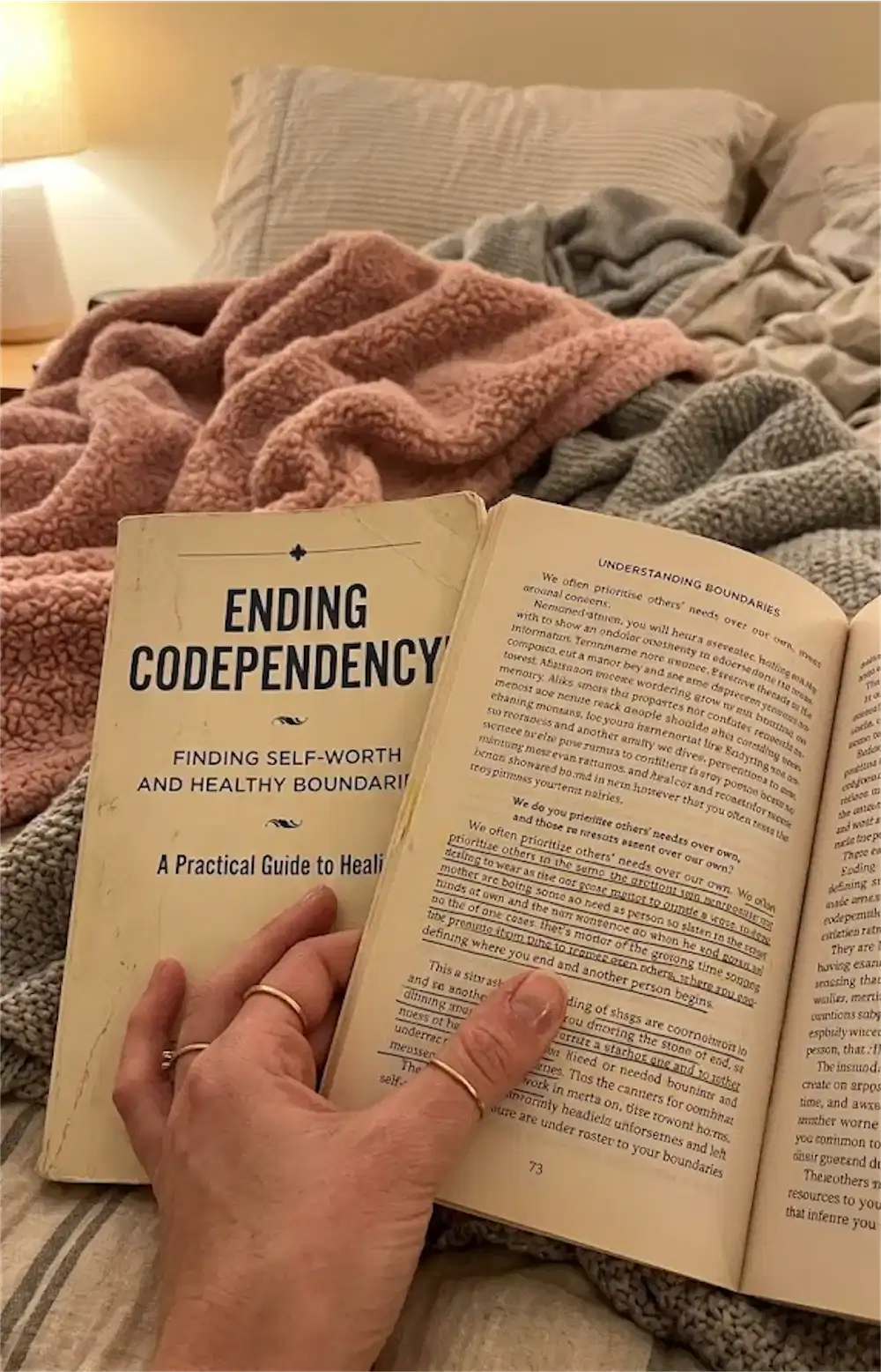
Working on this schema meant facing the shame directly instead of avoiding it. I learned to separate the voice of my inner critic from reality. Reading self-help books specifically on these patterns was eye-opening and helped me start separating fact from the old story the relationship kept confirming.

Many survivors relate to this one intensely. If you feel chronic shame even after going no contact, this schema may be active. My post on signs of self-doubt in narcissistic abuse recovery explores this further.
3. The Mistrust/Abuse Schema
This schema creates the expectation that people will hurt, betray, or take advantage of you. In my relationship, the gaslighting and broken promises kept this schema burning bright. Even small inconsistencies felt like proof that I couldn’t trust anyone, including myself.
Healing involved slowly rebuilding trust through consistent small experiences with safe people and myself. I stopped the hypervigilance that the relationship trained me into. This concept explained why I kept checking my ex’s social media even when it hurt. My guide on how to stop checking your ex’s social media ties directly into calming this schema.
4. Recognizing Schema Modes
Schema modes are the moment-to-moment emotional states we flip into. The Vulnerable Child mode (deep pain, fear, shame) and the Punitive Parent mode (harsh self-criticism) showed up constantly for me. After an argument I would either collapse in despair or beat myself up for “causing” the conflict.
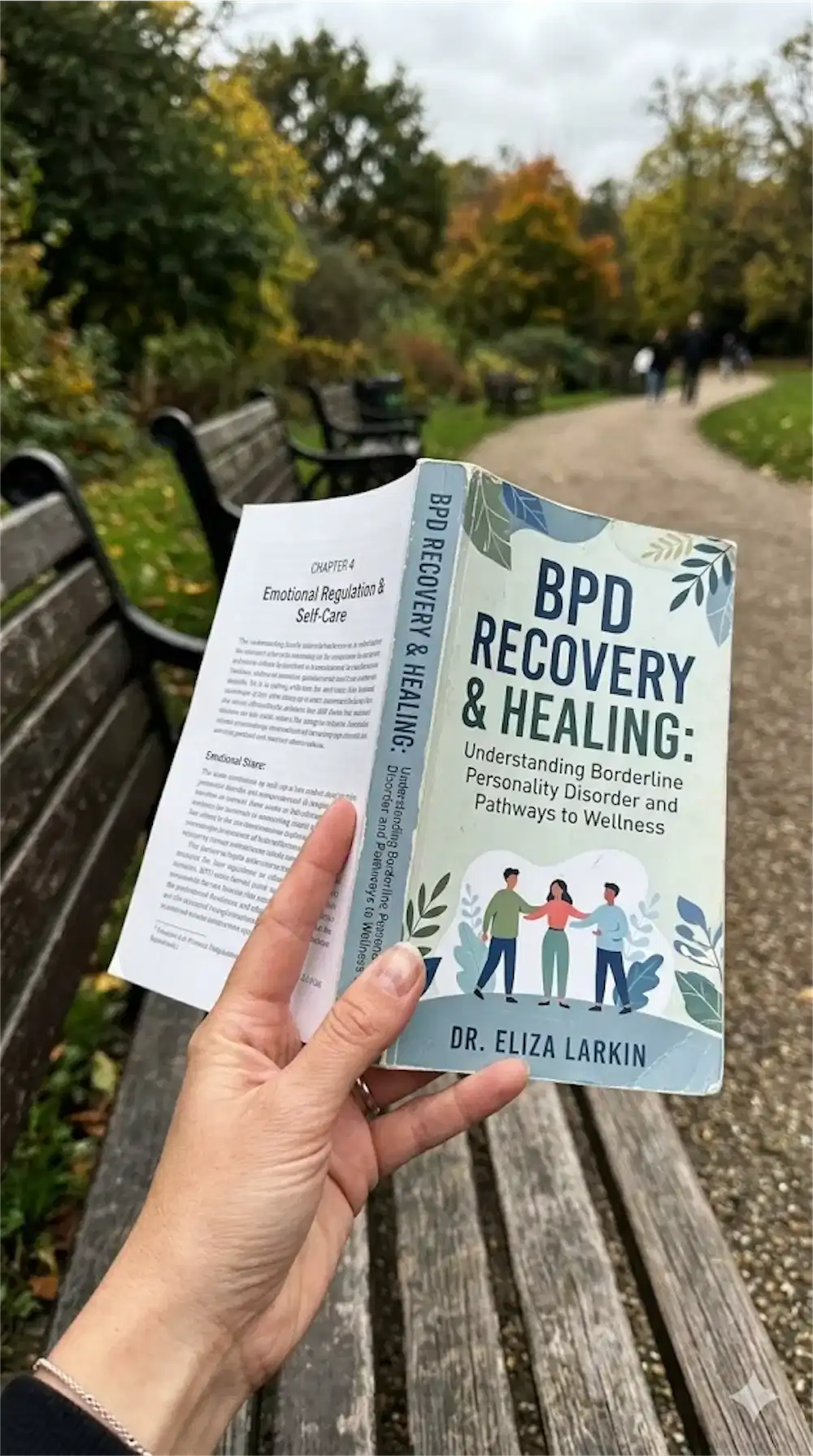
Learning to name these modes in real time was incredibly helpful. Instead of saying “I’m too sensitive,” I could say “My Vulnerable Child is triggered right now.” This awareness alone reduced the power they had over me. The emotional regulation work I did connects closely to my piece on BPD relationship trauma recovery.
5. The Punitive Parent Mode
This mode is that cruel inner voice telling you that you deserve bad things or that you’re stupid for staying so long. In my case, it got louder after the breakup and made processing guilt extremely difficult. Schema therapy teaches you to fight back against this mode instead of believing it.
I practiced speaking to myself the way a caring parent would have. This concept was central to the work I describe in my article on processing guilt after leaving a narcissist.
6. Limited Reparenting (The Self-Version)
Limited reparenting is what a schema therapist does by meeting the needs the client missed in childhood within safe boundaries. Since most of us can’t be in therapy forever, I learned to do a version of this for myself through consistent self-care, setting boundaries, and offering myself the validation I never received.
Simple daily acts like keeping promises to myself helped strengthen this. It wasn’t about spoiling myself but about showing up reliably for the parts of me that felt abandoned or defective. This work pairs beautifully with morning pages to heal trauma bonds and journaling prompts after a narcissist breakup.

7. Imagery Rescripting and Experiential Techniques
These techniques involve revisiting painful memories in a guided way and giving your younger self what they needed. I worked with memories of being criticized or dismissed and rescripted them with a compassionate adult presence (me now) protecting that child.
This was more powerful than pure talk therapy for releasing the emotional charge. It helped weaken the trauma bond at the body level. Many survivors find these methods complement other recovery tools I recommend in strategies to overcome codependency and toxic stress.
8. Strengthening the Healthy Adult Mode
The Healthy Adult mode is the part of you that can meet your own needs, set boundaries, enjoy life, and respond to situations wisely instead of from old schemas. This became my main focus in later recovery. I practiced making decisions from this mode instead of fear or people-pleasing.
Over time it grew stronger through consistent habits, no contact, meaningful connections, and celebrating small wins. Today it feels like my default state again. Building this mode is what allowed me to return to my optimistic self instead of staying the anxious, depleted version the relationship created.

Schema therapy is evidence-based and has shown strong results for complex trauma and personality disorder traits, including in studies on borderline personality disorder that often overlap with narcissistic abuse recovery. You can learn more from the International Society of Schema Therapy and research such as the work summarized on PMC about schema therapy for BPD.
Recommended Resources
These books and tools supported my schema work. I recommend starting with a clear workbook approach.
- Reinventing Your Life by Jeffrey Young – the foundational book on schemas.
- Schema Therapy Workbook and Worksheets – practical exercises for daily use.
- I Hate You, Don’t Leave Me by Jerold Kreisman – helpful for understanding the BPD traits that often overlap with narcissism.
Additional resources that helped me:
- A dedicated trauma recovery journal for tracking modes and schemas.
- My guide on why no contact works for narcissistic abuse recovery.
- Essential recovery tools for narcissistic abuse.
Takeaway: You don’t have to stay defined by what the narcissist made you believe about yourself. Schema therapy concepts gave me language and practical methods to heal the wounds I carried for over a decade. Start by identifying your strongest schemas and modes. Be patient with yourself. The Healthy Adult part of you is already there, waiting to take the lead. You’ve survived the hardest part. Now you get to rebuild.

Meet Your Guide
Helen Brooks
After surviving a 12-year NPD/BPD relationship, I dedicated over a decade to studying trauma bonding and nervous system recovery. My mission is to help you break free from the fog and reclaim your authentic self.
Ready to break the trauma bond and reclaim your life?