How to Regulate Your Vagus Nerve After Emotional Abuse: A Beginner’s Guide
Learning how to regulate your vagus nerve after emotional abuse is the missing piece for anyone trying to survive the physical aftermath of a toxic relationship. After escaping a twelve-year marriage to a partner who displayed extreme narcissistic and borderline personality traits, my body was entirely shattered. I spent years trying to think my way out of anxiety, only to realize my nervous system was trapped in a perpetual state of danger. To truly begin healing nervous system post toxic relationship patterns, we must shift our focus from mental recovery to bodily safety, which is exactly why using a somatic approach like The Somatic Trauma Reset is so vital.
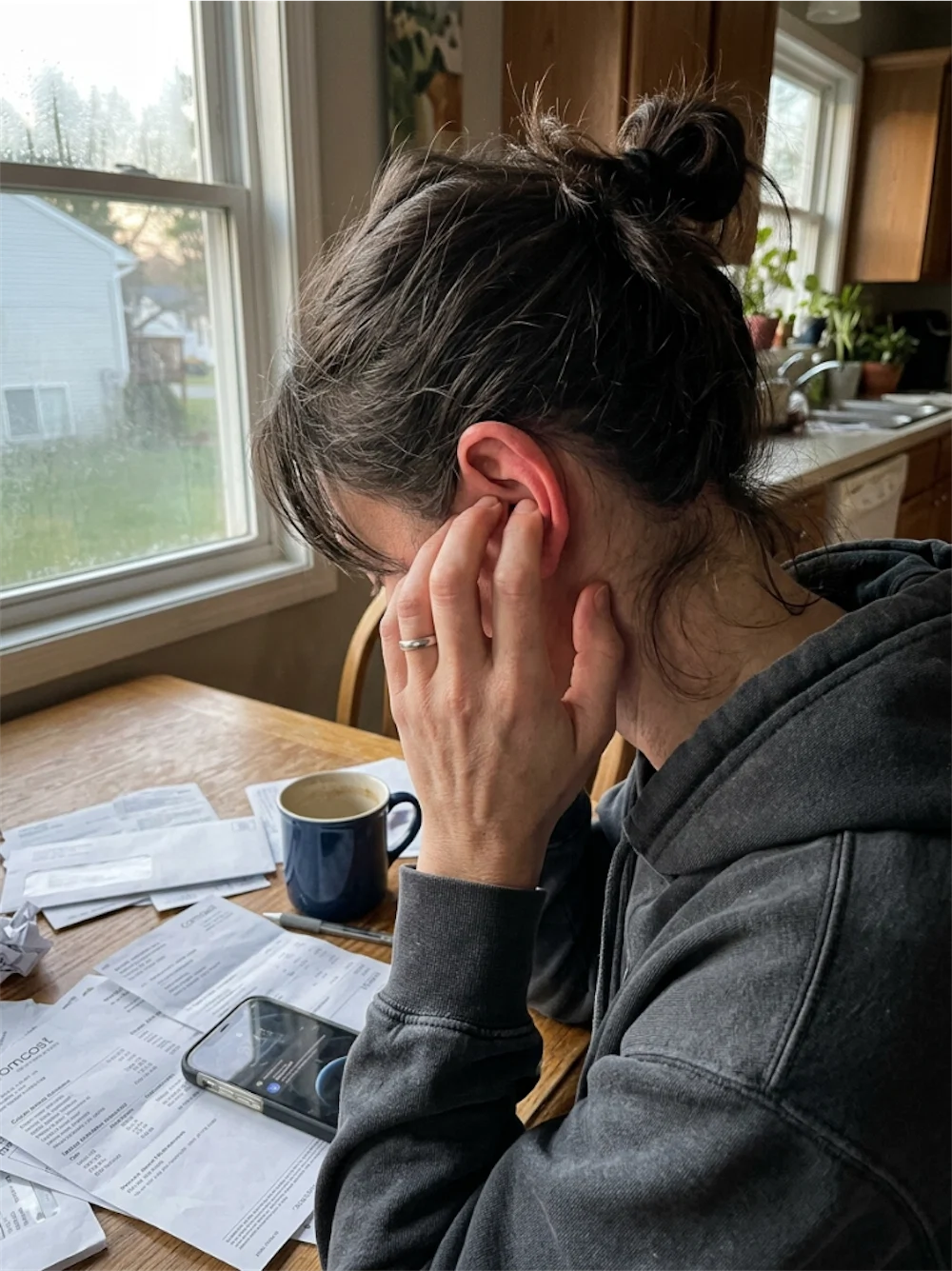
Why does your body still feel like it is under attack even though the relationship is over? Do you find yourself startled by loud noises, or waking up in the middle of the night with a racing heart? This constant, heavy dread is not a mental flaw. It is a physical injury to your autonomic nervous system, specifically the highway that controls your ability to rest, digest, and feel safe.
During my own recovery, I was isolated, completely disconnected from my hobbies, and felt like a shell of my former self. Finding out that my physical symptoms were tied directly to nervous system dysregulation changed everything. By learning simple physical tools to signal safety to my brain, I slowly returned to my original, cheerful self.
How Does Emotional Abuse Damage Your Vagus Nerve?
Emotional abuse damages the vagus nerve by keeping your body in a chronic state of fight, flight, or freeze, which erodes its ability to transition back into a relaxed state. This leaves you physically stuck in survival mode long after the toxic relationship has ended.
The vagus nerve is the longest cranial nerve in your body, running from your brainstem down through your neck, heart, lungs, and digestive tract. Think of it as the brake pedal for your stress response. When you are safe, this nerve tells your heart rate to slow down and your digestive organs to do their jobs.
But when you spend a decade walking on eggshells, constantly waiting for the next outburst, silent treatment, or projection, your brake pedal is cut. Your body is forced to rely on the gas pedal, also known as the sympathetic nervous system. Over time, your system loses its natural vagal tone, meaning it struggles to bring you back down to calm.
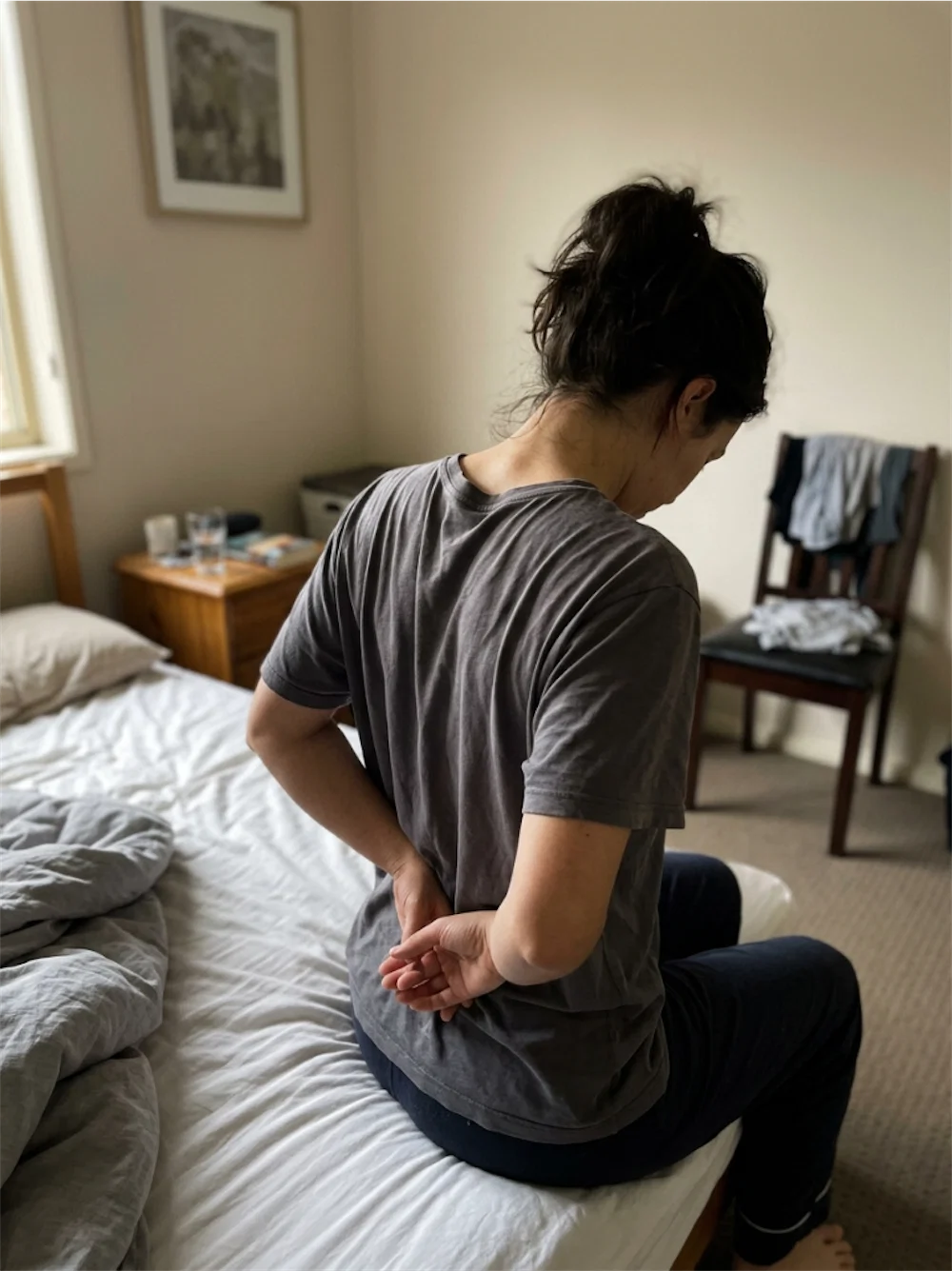
In my toxic relationship, I lived in this state for so long that my brain normalized the panic. I could not digest food properly, my muscles were constantly knotted, and my breathing was shallow. This state of constant hyper-arousal is a classic symptom of vagus nerve anxiety, where the body’s natural alarm system is stuck open.
Common Signs Your Nervous System is Stuck in Survival Mode
When your vagus nerve is underactive, your body cannot distinguish between a real, immediate threat and a memory of past trauma. This physical entrapment manifests in several distinct ways that many survivors mistake for chronic illness or general anxiety. According to research on trauma-induced autonomic imbalance published in Frontiers in Psychiatry, severe chronic stress alters our physiological baseline, locking us into a state of high threat-reactivity.
If you are wondering whether your body is still carrying the weight of emotional abuse, look for these physical signals:
- Chronic digestive issues: Bloating, acid reflux, and irritable bowel symptoms because your body is diverting energy away from digestion.
- Hypervigilance: Feeling a sudden jolt of adrenaline at minor noises, unexpected texts, or changes in someone’s facial expression.
- Shallow chest breathing: Forgetting to take deep, full breaths, which tells your brain you are still actively running from danger.
- Chronic muscle tension: A tight jaw, hunched shoulders, and clenched hips that never seem to relax even after sleep.
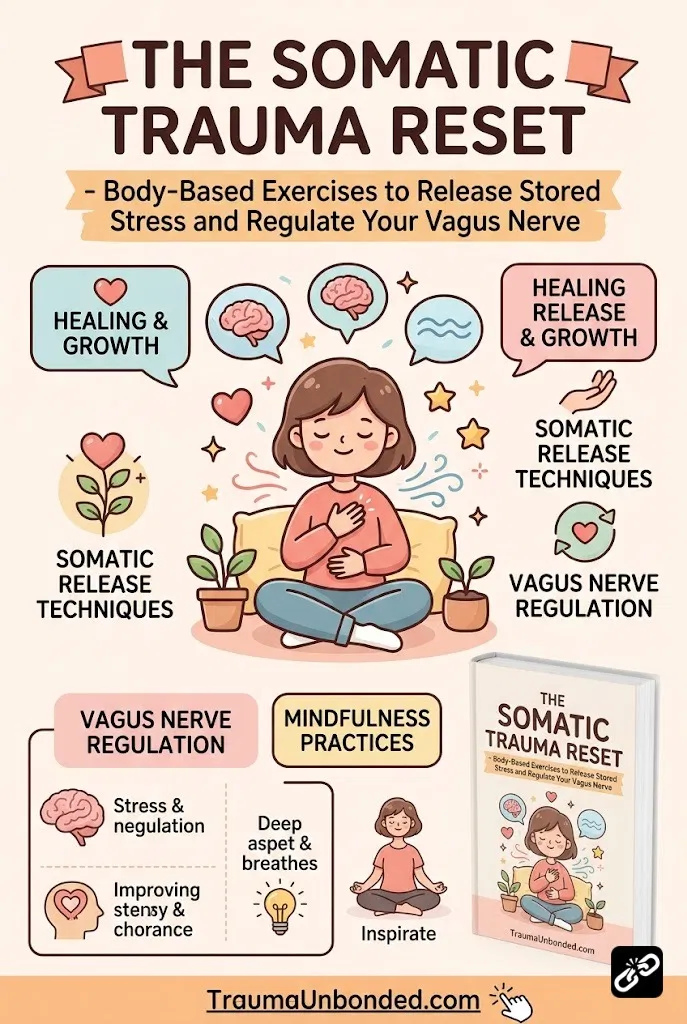
If you recognize these symptoms in your daily life, you need a structured, step by step way to gently guide your body back to safety. I designed a specialized system specifically for survivors of psychological manipulation to help release stored stress and safely discharge trauma from your body. You can begin restoring your physical health today with this practical workbook:
Practical Exercises to Stimulate the Vagus Nerve
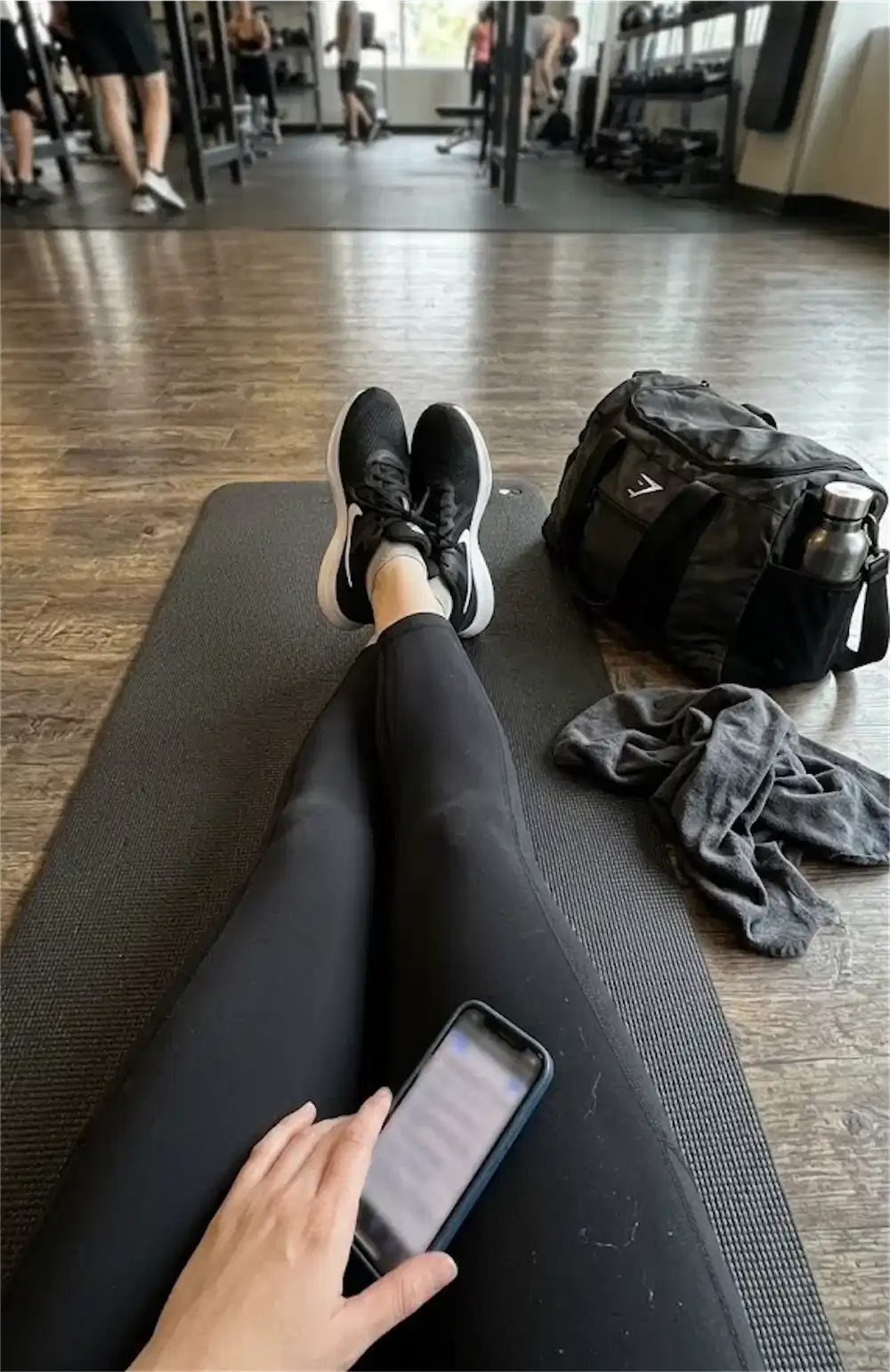
To heal your body, you do not need intensive physical workouts that place more stress on your heart. Instead, you need simple, repetitive physical cues that tell your brain the danger has passed. These basic nervous system regulation exercises can be done at home in just a few minutes every morning.
How do we actively target this nerve pathway? Start with these three approachable practices designed to jumpstart your body’s relaxation response:
1. The Physiological Sigh
This is one of the fastest ways to trigger vagus nerve stimulation. Take two quick inhales through your nose, one deep breath followed immediately by a short, sharp sip of extra air. Then, let out a slow, long sigh through your mouth as if you are releasing a heavy burden.
Repeating this breath pattern five times immediately lowers your heart rate. It tells your brain stem that you are safe in this present moment, counteracting the rapid chest breathing typical of survival mode.
2. Vocal Vibrations and Humming
Because the vagus nerve passes directly by your vocal cords and muscles in the back of your throat, humming, singing, or chanting creates physical vibrations that stimulate the nerve. You can practice this by taking a deep breath and making a low “Voo” or “Hum” sound on a long exhale.
When I was in the thick of my recovery, isolated and silent, doing this simple throat vibration exercise felt incredibly grounding. It sounds simple, but it physically stimulates the nerve fibers right at their source, initiating a deep sense of internal peace.
3. Splash Cold Water on Your Face
Splashing freezing cold water on your face triggers what biologists call the mammalian dive reflex. This physiological response immediately slows down your heart rate and redirects blood flow to your vital organs, helping to break a sudden panic attack or loop of obsessive rumination.
You can do this by filling a sink with cold water and dipping your face in for a few seconds, or simply pressing a cold, wet cloth against your eyes and forehead. It works like a physical reset switch for a system stuck in high-voltage anxiety.
Consistency is Key to Rewiring the Brain
Your nervous system did not get dysregulated overnight. It took years of subtle manipulation, sudden mood shifts, and emotional rollercoasters to condition your body to stay on high alert. Therefore, it will take time to teach your physical self that you are truly safe now.
In the beginning, these somatic exercises might feel strange or even make you feel slightly emotional. That is a completely normal reaction when your body finally lets its guard down after years of hypervigilance. If you are struggling with other physical effects of chronic stress, check out our guide on toxic relationship health symptoms to understand how deeply emotional abuse impacts your physical well-being.
Give yourself permission to go slow. Start with just one exercise once a day, perhaps in the morning or right before you go to sleep, and let your body learn to trust the silence again.
When I first started my healing journey, I was devastated and convinced my cheerful, optimistic self was gone forever. But your original self is not lost, it is just hidden beneath layers of physical survival responses. By dedicating a few minutes every day to soothing your body, you can break the physical grip of past trauma and reclaim your peace of mind.
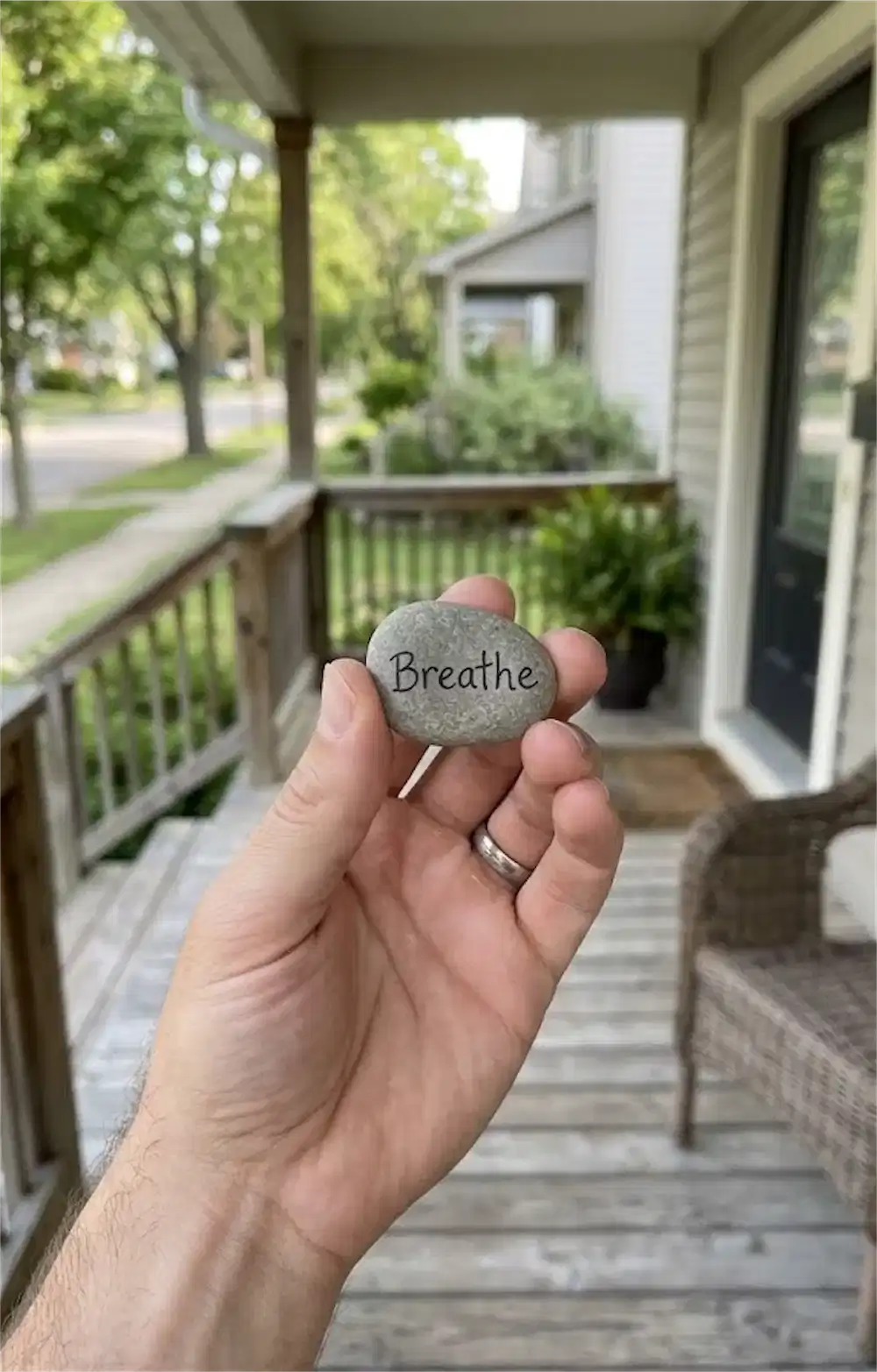
If you are ready to take the next step in releasing stored somatic tension and finding deep physical relief, download The Somatic Trauma Reset to guide your daily recovery. You deserve a life free from the physical chains of toxic love, and your healing starts with a single, deep breath.

Meet Your Guide
Helen Brooks
After surviving a 12-year NPD/BPD relationship, I dedicated over a decade to studying trauma bonding and nervous system recovery. My mission is to help you break free from the fog and reclaim your authentic self.
Ready to break the trauma bond and reclaim your life?